

If you have always felt self-conscious about the size, shape, or projection of your ears, you are not alone. Otoplasty, often referred to as ear pinning or ear reshaping, is an incredibly popular cosmetic procedure known for its high patient satisfaction rates. It’s a relatively straightforward surgery that offers life-changing results, boosting self-esteem for both adults and children.
However, once the decision to move forward is made, the practical questions begin. While the idea of gaining confidence is priceless, the financial investment is very real. Understanding the total financial picture is essential before booking your consultation. Many sources provide a single average figure, but that number rarely reflects the final bill. We are here to help you navigate the full scope of the otoplasty cost, ensuring you budget accurately for this transformative procedure.
The real question about the total otoplasty cost goes beyond the surgeon’s fee. On average, the procedural cost typically falls somewhere between $3,500 and $6,000, according to national plastic surgery statistics. But this average is a starting point, not the total price you will pay. To get a comprehensive view, we need to break down the primary components that contribute to the final expense.
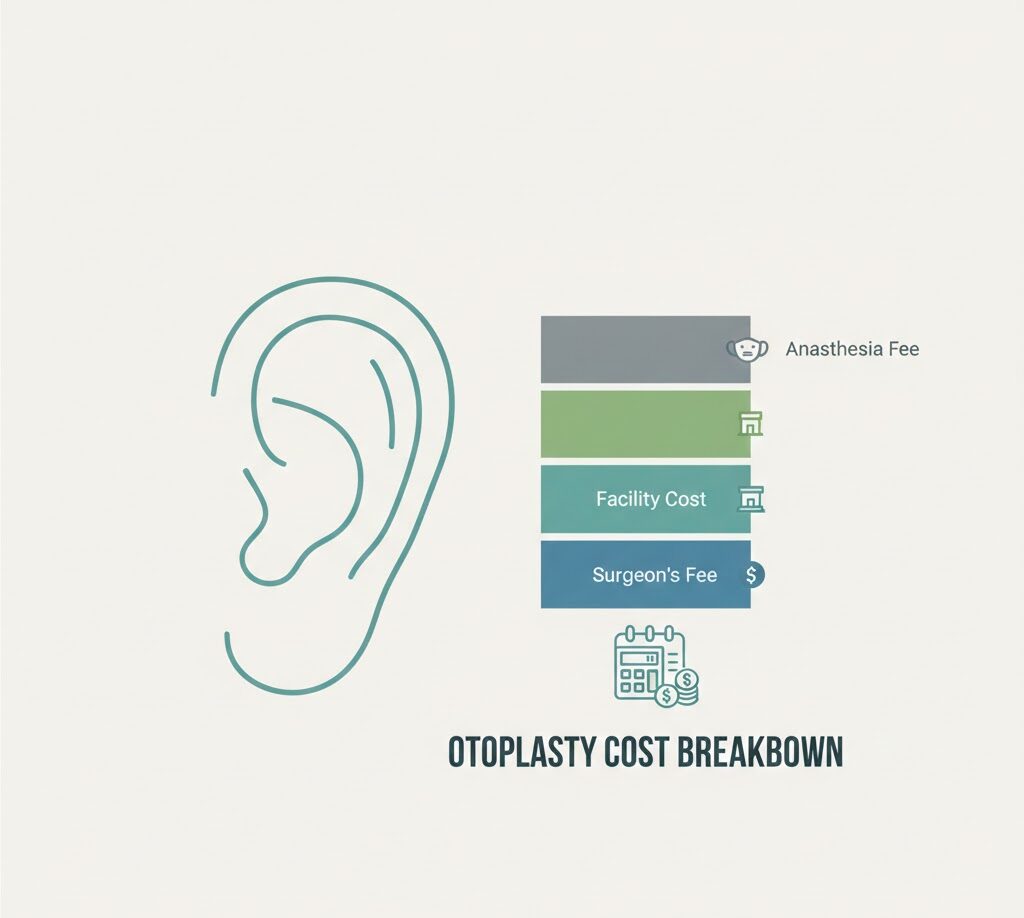
Breaking Down the Components of Otoplasty Surgery
When a surgeon or clinic provides you with a quote for otoplasty surgery, that number is usually an aggregate of several distinct professional services. Understanding these components is the key to comparing quotes accurately and avoiding surprises on your final statement.
The three major cost buckets in nearly all cosmetic procedures are:
1. The Surgeon’s Fee: This covers the plastic surgeon’s time, skill, and expertise. This is often the largest single portion of the total cost and reflects the surgeon’s training, reputation, and geographic demand. Highly experienced, board-certified surgeons practicing in major metropolitan areas will naturally command higher fees than newer practitioners in smaller markets.
2. Facility Fees: Otoplasty must be performed in a safe, accredited environment, whether that is a hospital operating room or a licensed ambulatory surgical center (ASC). The facility fee covers the use of the operating room, surgical equipment, sterilization, nursing staff support, and overhead necessary to maintain a sterile surgical environment.
3. Anesthesia Costs: This cost covers the services of the anesthesiologist or certified registered nurse anesthetist (CRNA), as well as the supplies and medications used during the procedure. Otoplasty is often performed under local anesthesia with sedation, especially for adults, which tends to be less expensive than general anesthesia. However, general anesthesia is often required for younger patients or for complex cases, significantly increasing the anesthesia portion of the bill.
Factors That Influence Your Final Otoplasty Price
While the three components listed above form the foundation of the price, several dynamic factors can push the final otoplasty price higher or lower than the national average. Being aware of these variables allows you to plan your budget proactively.
Geographic Location and Practice Prestige
Where you have the surgery matters immensely. A plastic surgeon operating in Beverly Hills, New York City, or Miami has higher operational costs (rent, staff wages, insurance) than a comparable surgeon in a less densely populated region. Similarly, surgeons who are renowned leaders in the field and frequently publish research or teach often charge a premium for their expertise. When researching the otoplasty cost, always get quotes localized to your region, and be prepared to pay more for a surgeon with a lengthy track record of specialized success in ear procedures.
The Complexity of the Otoplasty Procedure
Not all ear surgeries are created equal. The total price will depend heavily on the extent of correction required and whether the procedure is primary or secondary (revision).
- Otoplasty for Protruding Ears: This is the most common form of the procedure and involves reshaping the cartilage to “pin” the ears closer to the head.
- Correction for Ear Lobe Repair or Reduction: These minor procedures are often done under local anesthesia and are usually less costly than full ear pinning.
- Revision Otoplasty: If you had a previous surgery that yielded unsatisfactory results, a revision procedure will be necessary. These are significantly more complex, require specialized skill to work with scarred or compromised cartilage, and inevitably lead to a higher final bill. Furthermore, treating only one ear (unilateral otoplasty) will be less expensive than treating both (bilateral otoplasty).
Anesthesia Type and Setting
The choice of anesthetic method directly impacts the total fee. General anesthesia, which requires a highly specialized medical team to monitor the patient fully, is always more expensive than local anesthesia with light sedation. Furthermore, facilities charge differently. Having the procedure performed in a private, accredited surgical suite attached to the surgeon’s office is often less costly than reserving time in a major hospital’s operating room, though the latter may be necessary for certain health profiles.
Hidden Costs You Need to Budget For
When discussing the otoplasty cost, patients sometimes forget to account for necessary pre- and post-operative expenses. These are crucial elements of the recovery process that must be factored into your total budget.
- Consultation Fees: While some surgeons apply the consultation fee toward the cost of the surgery if you proceed, many do not. Expect to pay a non-refundable fee for your initial meeting.
- Prescriptions and Medications: You will need prescription pain medication and possibly antibiotics. Over-the-counter necessities like gauze, ointments, and specialized cleaning solutions should also be budgeted.
- Post-Operative Garments: Patients typically need a soft head dressing or headband to wear continuously for several weeks to support the new ear shape. These garments are an additional cost.
- Time Off Work or School: This isn’t a direct surgical fee, but it’s a necessary cost consideration. Plan for at least a week of downtime, especially if your job involves strenuous activity or public interaction.
Making a decision about otoplasty requires careful financial planning. The key takeaway is that the national average fee is a good benchmark for the surgeon’s portion, but you must meticulously account for facility, anesthesia, and recovery costs to determine your final bill. By prioritizing board-certified expertise and asking detailed questions about every line item in your personalized quote, you can ensure a safe and successful experience.