Choosing to undergo weight loss surgery is a major milestone in a person health journey. It represents a commitment to long term wellness and a significant change in lifestyle. However, as the body adapts to its new digestive structure, certain side effects can occur. One of the most common experiences for patients is understanding what is dumping syndrome after gastric bypass. While the term might sound alarming, it is essentially a collection of symptoms that happen when food moves too rapidly from the stomach pouch into the small intestine.
Understanding what is dumping syndrome after gastric bypass is a vital part of the recovery process. This condition acts as a physical reminder to follow specific nutritional guidelines, helping patients stay on track with their weight loss goals. It occurs because the pylorus, the valve that normally regulates food leaving the stomach, is often bypassed or altered during surgery. Without this gatekeeper, high sugar or high fat foods can rush into the small intestine, leading to a variety of uncomfortable physical reactions. Fortunately, with the right knowledge and dietary adjustments, most people can manage or even completely prevent these episodes.
Recognizing Common Dumping Syndrome Symptoms
When patients first encounter this condition, they often describe a sudden and overwhelming sense of malaise. Recognizing common dumping syndrome symptoms is the first step in managing your post operative life. These symptoms are generally categorized into two phases, but they all stem from the same root cause: the rapid transit of undigested food. Most people will experience a rapid heartbeat, also known as palpitations, along with a sudden feeling of warmth or flushing. You might also feel lightheaded or dizzy, which can be quite unsettling if you are not prepared for it.
The digestive tract also reacts strongly to this rapid emptying. You may experience abdominal cramping, bloating, and a loud rumbling sound in the gut known as borborygmi. Nausea is extremely common, and in some cases, it may lead to vomiting or urgent, watery diarrhea. These symptoms are the body way of trying to process the sudden influx of particles that are not yet ready for the small intestine. While these sensations are uncomfortable, they are typically temporary and do not cause long term damage if addressed through dietary changes.
Physical and Emotional Impact
Beyond the immediate physical distress, these symptoms can also have an emotional component. Many patients feel a sense of anxiety or even fear when they realize an episode is beginning. The sudden drop in blood pressure or the rapid heart rate can mimic a panic attack. Understanding that this is a known physiological response can help reduce the stress associated with an episode. It is important to remember that these symptoms are your body way of teaching you which foods and eating habits are best for your new digestive system.
Understanding Early vs Late Dumping Syndrome
To effectively manage the condition, it is helpful to distinguish between the two different types of episodes. Understanding early vs late dumping syndrome allows you to pinpoint exactly what might be causing your discomfort. Early dumping occurs almost immediately after a meal, usually within ten to thirty minutes. This happens because the concentrated food in the small intestine pulls fluid from the surrounding bloodstream into the bowel. This shift in fluid is what causes the rapid heartbeat, dizziness, and the urgent need to use the bathroom.
Late dumping syndrome is a bit different and occurs one to three hours after eating. This version is primarily related to blood sugar levels rather than fluid shifts. When you consume high amounts of simple sugars, your body absorbs them quickly, causing a sharp spike in blood glucose. In response, your pancreas releases an excessive amount of insulin to bring the sugar levels down. This overcorrection leads to hypoglycemia, or low blood sugar. This is why you might feel shaky, sweaty, confused, or extremely tired several hours after eating a sugary snack.
Mechanisms of Early Dumping
In the early phase, the small intestine becomes stretched and distended. This triggers the release of various hormones into the bloodstream, which further contributes to the feeling of being unwell. The rapid movement of fluid into the gut is the body attempt to dilute the high concentration of sugars and fats. This is why hydration timing is so important; drinking liquids too close to a meal can actually speed up this process and make the symptoms of early dumping much worse.
Mechanisms of Late Dumping
The late phase is often more about the metabolic response. Because the stomach no longer slowly metes out food, the small intestine is overwhelmed with glucose. The resulting insulin surge is often much higher than what the body actually needs. When the insulin does its job too well, your blood sugar crashes. This can leave you feeling famished or weak, which is ironic considering you just ate a few hours prior. Recognizing this pattern is essential for preventing the cycle of snacking on more sugar to fix the low feeling.
Effective Gastric Bypass Diet Tips for Prevention
The most effective way to handle this condition is through proactive nutritional choices. Implementing specific gastric bypass diet tips can significantly reduce the frequency and severity of episodes. The primary rule is to avoid simple sugars and highly processed carbohydrates. Foods like soda, candy, fruit juices, and even white bread can trigger dumping syndrome because they break down so quickly. Instead, focus on complex carbohydrates and high fiber options that take longer to digest, though you should always follow your surgeon specific fiber guidelines.
Another crucial tip is to separate your eating and drinking. Most experts recommend waiting at least thirty minutes after a meal before consuming any liquids. When you drink while eating, the liquid washes the food through your stomach pouch faster, increasing the risk of an early dumping episode. Additionally, eating smaller, more frequent meals throughout the day rather than three large ones can help keep your digestive system from becoming overwhelmed. Taking small bites and chewing your food thoroughly into a paste like consistency is also vital for smooth digestion.
Prioritizing Protein and Healthy Fats
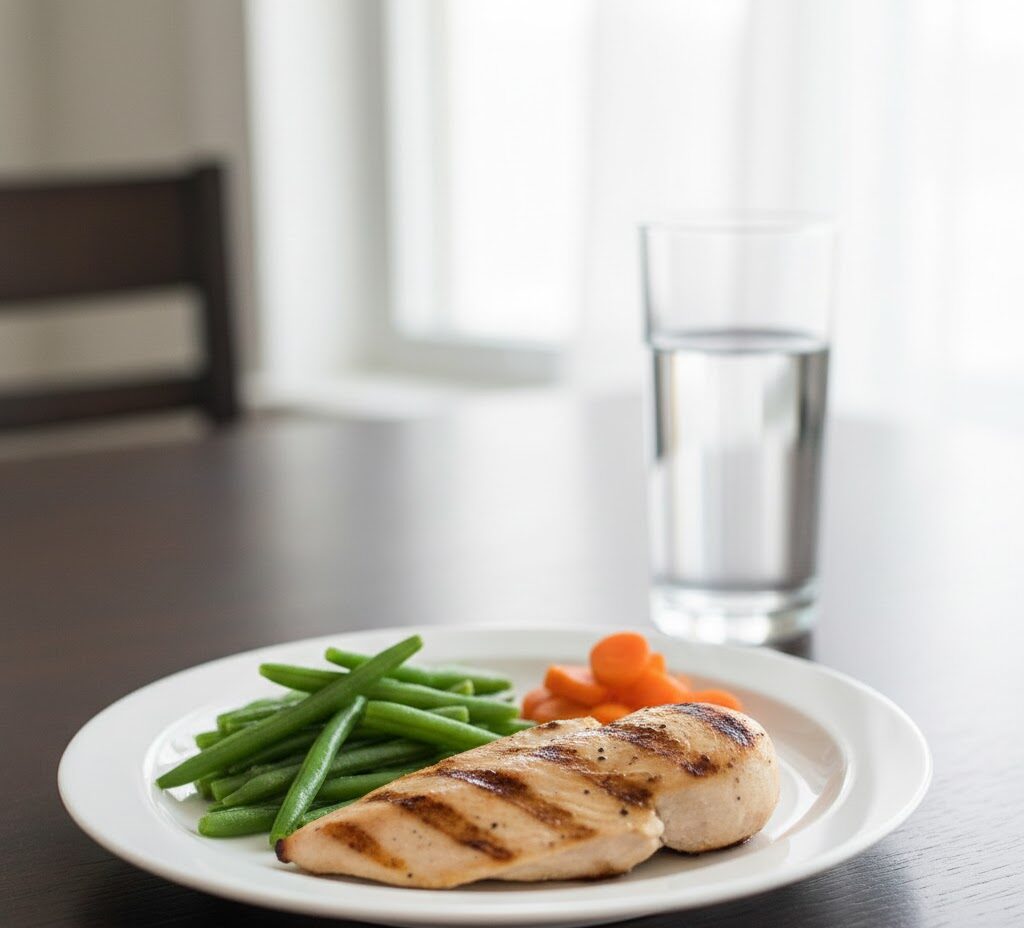
Protein should be the star of every meal. It is harder for the body to break down than sugar, which means it stays in the system longer and provides a steady source of energy. Lean meats, eggs, tofu, and Greek yogurt are excellent choices. While healthy fats are necessary, they should be consumed in moderation, as high fat meals can also trigger symptoms in some individuals. Finding the right balance is a personal journey, as every patient has different tolerance levels for various food groups.
Medical Dumping Syndrome Treatment and Long Term Care
While diet is the first line of defense, some individuals may require additional medical dumping syndrome treatment if lifestyle changes are not enough. If symptoms persist despite strict adherence to a post operative diet, your doctor might suggest certain medications. These can include drugs that slow down the movement of food through the intestines or medications that help regulate the insulin response to prevent the low blood sugar associated with late dumping. In very rare and severe cases, surgical revisions might be discussed, but this is usually a last resort.
Long term care involves regular follow ups with your bariatric team and a registered dietitian. They can help you fine tune your eating plan and ensure you are getting the necessary vitamins and minerals. Since dumping syndrome can lead to food avoidance, it is important to make sure you are not accidentally missing out on vital nutrition. Staying consistent with your supplements and monitoring your body reactions to new foods will help you maintain your health and enjoy the benefits of your gastric bypass surgery for years to come.
Conclusion
What is dumping syndrome after gastric bypass is a question that many new patients ask with a bit of trepidation, but it is a manageable part of the post surgical experience. By understanding the difference between early and late symptoms, recognizing the triggers, and following a disciplined diet, you can take control of your digestive health. Remember that these symptoms are often a sign that your body is adapting to a healthier way of living. Focus on high protein meals, avoid liquid during eating, and stay away from simple sugars to keep your recovery on the right track. With patience and the right habits, you can successfully navigate these challenges and reach your wellness goals.