
Taking the first step toward a healthier lifestyle can feel like a daunting journey, especially when traditional diets and exercise routines have not yielded the desired results. For many individuals struggling with obesity, laparoscopic gastric bypass has emerged as a gold-standard solution that offers more than just a change in appearance. This advanced surgical procedure is designed to help you regain control over your health by modifying how your body handles food and calories. By utilizing minimally invasive techniques, surgeons can provide a safer and more efficient path to long-term wellness.
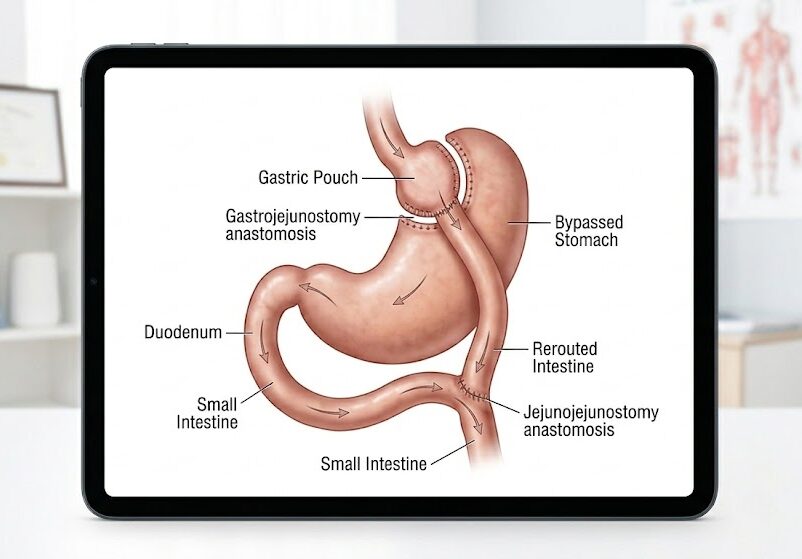
The laparoscopic gastric bypass procedure involves creating a small pouch from the stomach and connecting it directly to the small intestine. This bypasses a significant portion of the stomach and the first part of the small intestine, leading to both a reduction in food intake and a change in how nutrients are absorbed. Because it is performed laparoscopically, using small incisions and a camera, patients often experience faster healing and less discomfort compared to traditional open surgeries. Understanding the details of this process is essential for anyone considering this life-changing medical intervention.
In the modern medical landscape, this procedure is celebrated for its ability to address not only weight but also the underlying metabolic conditions that often accompany obesity. It is not just a quick fix but a powerful tool that, when combined with dedicated lifestyle changes, can lead to a complete transformation. Whether you are just beginning your research or are ready to schedule a consultation, knowing what to expect can empower you to make an informed decision about your future health.
Major Weight Loss Surgery Benefits You Should Know
The decision to undergo a procedure like this is often driven by a desire for a better quality of life. The weight loss surgery benefits extend far beyond the numbers on a scale. One of the most significant advantages is the rapid improvement or even complete resolution of obesity-related health conditions. Many patients find that shortly after their procedure, they no longer require the same level of medication for chronic issues.
Improved Metabolic Health
A primary benefit of this surgery is its impact on Type 2 diabetes. Clinical studies have shown that a significant percentage of patients experience a complete remission of their diabetes symptoms. This happens not only because of the weight loss but also due to hormonal changes triggered by the rerouting of the digestive system. Additionally, patients often see a dramatic reduction in high blood pressure and cholesterol levels, which significantly lowers the risk of heart disease and stroke.
Enhanced Quality of Life
Beyond the physical health improvements, the psychological and social benefits are profound. Increased mobility allows individuals to participate in activities they once avoided, such as playing with their children or traveling comfortably. This newfound physical freedom often leads to a boost in self-esteem and a reduction in symptoms of anxiety and depression. The ability to move without pain and the confidence gained from achieving health goals can truly redefine a person’s daily experience.
Respiratory and Joint Relief
Obesity places immense pressure on the joints and the respiratory system. Many patients who undergo this procedure report a significant decrease in joint pain, particularly in the knees and hips, as the load on their skeletal system lightens. Furthermore, obstructive sleep apnea, a common and dangerous condition among those with excess weight, often resolves completely. This allows for better sleep quality, increased energy levels during the day, and a generally more vibrant life.
What to Expect During Your Gastric Bypass Recovery
The journey does not end when the surgery is over; in fact, the recovery phase is where the real work begins. Understanding the gastric bypass recovery process helps set realistic expectations and ensures a smoother transition into your new lifestyle. Because the procedure is performed using laparoscopic techniques, the initial physical recovery is typically shorter than one might expect, but the internal healing and dietary adjustments require patience and discipline.
The Initial Healing Phase
Immediately following the surgery, most patients spend one to two days in the hospital for observation. During this time, the medical team monitors for any complications and ensures that the patient can tolerate liquids. Walking is encouraged almost immediately after waking up to prevent blood clots and aid in the digestive process. While there may be some soreness around the small incision sites, most patients find that pain is manageable with prescribed medication and tapers off within a few days.
Transitioning Your Diet
The most critical part of recovery involves a highly structured dietary progression. For the first week or two, patients are restricted to a clear liquid diet to allow the new stomach pouch and intestinal connections to heal without stress. Gradually, this moves to thick liquids, then pureed foods, and eventually soft foods. It usually takes about six to eight weeks before a patient can begin incorporating solid foods back into their routine. Learning to eat very small portions and chewing thoroughly becomes the new norm to avoid discomfort or dumping syndrome.
Long Term Activity and Follow Up
As the body heals, energy levels will begin to stabilize. Regular follow-up appointments with your surgical team and a nutritionist are vital during the first year. these check-ups ensure that you are meeting your nutritional needs and that your weight loss is progressing at a healthy rate. Incorporating light exercise, such as walking, into your daily routine early on will help maintain muscle mass and boost your metabolism as the weight begins to drop.
Maximizing Your Bariatric Surgery Results
To achieve the best bariatric surgery results, it is essential to view the procedure as a tool rather than a final destination. While the surgery provides the biological boost needed to lose weight, maintaining that weight loss requires a lifelong commitment to healthy habits. The most successful patients are those who embrace a holistic approach to their wellness, focusing on nutrition, physical activity, and mental health.
Long Term Lifestyle Changes
Success in the years following surgery depends heavily on nutritional choices. Since the stomach pouch is much smaller, every bite counts. Focusing on high-protein foods and avoiding high-sugar or high-fat items is key to preventing weight regain. Additionally, because the body absorbs fewer vitamins and minerals after a bypass, taking daily supplements is a non-negotiable part of the routine. Staying hydrated and avoiding carbonated beverages also helps maintain the integrity of the stomach pouch.
Support Systems and Mental Health
The emotional journey of losing a significant amount of weight can be just as intense as the physical one. Joining support groups with others who have undergone similar procedures can provide a sense of community and accountability. Working with a therapist can also help address the emotional triggers that may have led to overeating in the past. When you align your mental health with your physical changes, the results are much more likely to be permanent and fulfilling.
Conclusion
Choosing to undergo a laparoscopic gastric bypass is a significant milestone on the path to a healthier, more active life. This procedure offers a powerful combination of restrictive and malabsorptive mechanisms to help individuals overcome the challenges of obesity and its related health conditions. By understanding the immense benefits, preparing for the recovery journey, and committing to long-term lifestyle changes, you can ensure that your results are both successful and sustainable. Remember that this journey is a marathon, not a sprint, and with the right medical guidance and personal dedication, a vibrant and healthy future is well within your reach.