Beards are more than just hair; they’re a statement. They embody style, confidence, and maturity. But what happens when genetics or scarring leave you with a patchy, uneven, or non-existent beard? For many men, frustrating attempts to grow facial hair lead to giving up on their desired look.
Fortunately, modern aesthetic medicine offers a permanent, highly effective solution. This revolutionary treatment is called the beard transplant, and it has exploded in popularity over the last decade. Forget temporary fixes or questionable serums; a beard transplant provides genuine, lasting results by moving your own natural hair follicles to the areas where you need growth. If you’re serious about achieving the perfect jawline coverage and density, understanding this procedure is the first crucial step toward your beard goals.
Understanding the Science Behind a Successful Beard
A beard transplant is essentially a specialized form of hair restoration. It works on the principle that hair follicles can be safely moved from one area of the body (the donor site, typically the back of the scalp) to another (the recipient site, the face). Since these transplanted follicles retain the characteristics of their original location—meaning they are usually resistant to pattern baldness—they will continue to grow naturally on your face for life.
The quality and experience of the surgeon are paramount when undergoing this procedure. Unlike scalp transplants, facial hair requires extremely precise angle placement and density mapping to ensure the final result looks completely natural, blending seamlessly with any existing hair growth.
The Modern Approach: Follicular Unit Extraction (FUE)
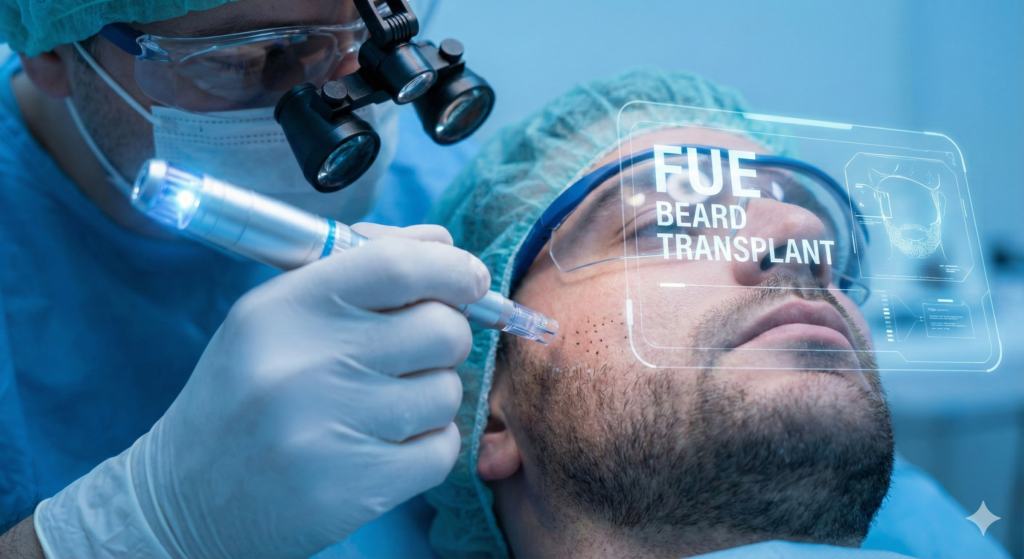
The gold standard technique used for modern hair restoration, including facial procedures, is Follicular Unit Extraction, or FUE. This method is minimally invasive and accounts for the incredible rise in successful, undetectable hair restoration results.
What Makes FUE the Best Choice?
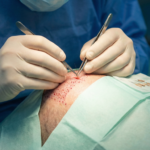
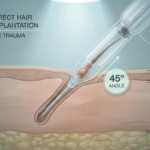
FUE involves removing individual hair follicles, or grafts, directly from the donor area using a micro-punch tool. Because the surgeon removes one unit at a time, there is no need for a linear incision or stitches. This is vital for the recovery process, as it leaves behind tiny, practically invisible dot scars, unlike the older FUT (Follicular Unit Transplantation) method, which leaves a linear scar. On the face, the surgeon then meticulously creates tiny incisions where the hair needs to grow and implants the grafts one by one, controlling the angle and direction to mimic natural facial hair patterns.
Choosing the Right Donor Area
While the back of the scalp is the most common donor area due to the density and strength of the hair, some surgeons may utilize other body hair if scalp hair is insufficient or if the patient desires a slightly softer texture closer to natural beard hair. However, scalp hair is generally preferred because it provides the best resemblance to the texture needed for a dense, masculine beard. An experienced specialist will assess your donor hair quality and density during the initial consultation to ensure enough grafts are available to meet your desired outcome.
Planning for a Full Beard Transplant: What to Expect
Deciding to undergo a beard transplant requires careful planning, especially if you are aiming for a full beard transplant. This is a comprehensive procedure, often requiring a larger number of grafts compared to filling in small patches. A typical patchy repair might need 500 to 1,500 grafts, while achieving a full beard transplant, covering the cheeks, chin, and mustache area from scratch, often requires between 2,500 and 4,000 grafts, depending on the desired density and the patient’s facial structure.
Achieving Density and Design
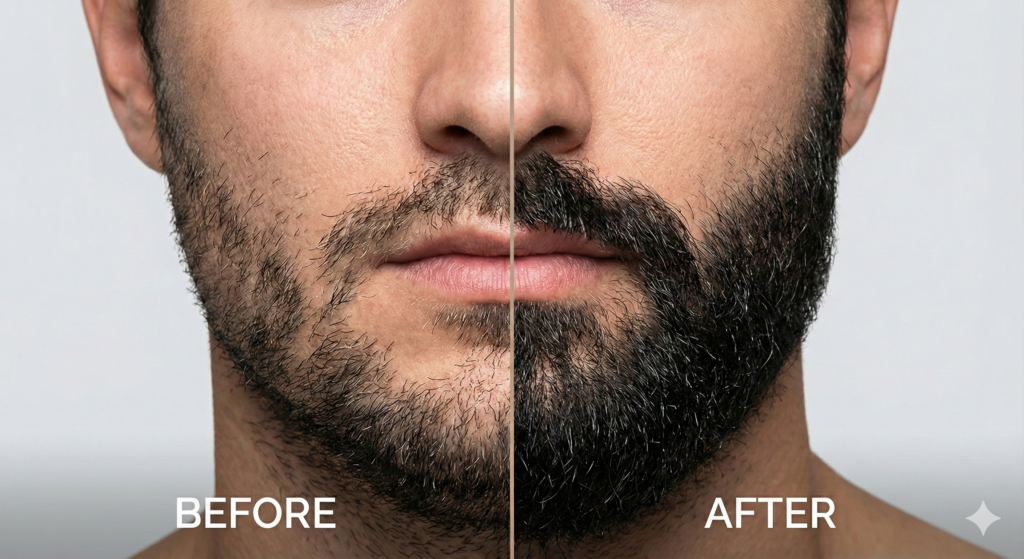
The primary goal of a successful full beard transplant is density and naturalness. The aesthetic design is arguably the most crucial step. You and your surgeon will discuss the precise shape of the beard line—how high it should extend on the cheeks and how low it should sit on the neck. This design phase ensures that the resulting beard complements your facial features and looks authentic as you age. The surgeon uses high density for the areas requiring the most coverage, like the chin and mustache, and slightly lower density around the edges for a softer, more blended transition.
The Healing Journey and Results Timeline
The procedure itself typically takes a full day, depending on the number of grafts needed. Post-procedure care is critical. You will experience some redness, swelling, and scabbing around the newly transplanted follicles for about a week. Within two to four weeks, the transplanted hairs will typically fall out—this is completely normal and part of the cycle. Do not panic! This shedding makes way for the permanent hair. Permanent growth usually begins around three to four months after the procedure, with significant results noticeable around six to eight months. The final, mature results of your new beard transplant usually take a full year to materialize. Patience is key during this transformative period.
Is a Beard Transplant Safe? Addressing E-E-A-T Concerns
As an elective medical procedure, safety and choosing the right provider are paramount. When performed by a qualified, experienced, and board-certified surgeon in an accredited facility, the procedure has a very high success and safety rate.
The risks associated with a beard transplant are generally minimal and non-life-threatening. These can include minor swelling, temporary bruising, or mild infections, all of which are manageable with proper post-operative care. Choosing an expert is crucial for mitigating risks like poor growth, unnatural-looking angles, or damage to the donor area. High-E-E-A-T content emphasizes that researching your doctor’s credentials, looking at their specific experience with facial hair, and viewing extensive before-and-after portfolios are non-negotiable steps before committing to the procedure. Do not choose a provider solely based on price; choose based on verifiable expertise and proven results.
The inability to grow a beard shouldn’t hold you back from the look you want. A modern beard transplant, utilizing advanced FUE techniques, offers a permanent, natural-looking solution to patchy spots or a total lack of facial hair. Whether you require a minor correction or desire a full beard transplant, careful planning, expert surgical skill, and realistic expectations regarding the growth timeline will ensure you achieve the dense, commanding beard you’ve always wanted. Consult with a specialist today to start designing your dream beard.