
If you are navigating the complex world of chronic weight management, you know that diet and exercise alone often aren’t enough to sustain significant, lasting weight loss. This reality has led millions of people worldwide to explore surgical options, seeking a powerful tool to reset their health. The conversation around weight loss surgery has shifted significantly, focusing on safety, long-term health benefits, and quality of life improvements.
Among the various procedures available today, the vertical sleeve gastrectomy—more commonly known as the gastric sleeve—has emerged as the most popular choice. It is a procedure that physically reduces the size of the stomach, fundamentally changing how much food you can consume and altering hunger hormone signals. Understanding what the gastric sleeve is, who it is for, and what the journey entails is the critical first step toward a healthier future.
Understanding Modern Bariatric Surgery Options
Weight loss surgery, often grouped under the umbrella term of bariatric surgery, encompasses several procedures designed to help individuals with clinically significant obesity achieve and maintain a healthy weight. While procedures like the gastric bypass are still utilized, the gastric sleeve has risen to prominence due to its efficacy and relative simplicity compared to other restrictive and malabsorptive surgeries.
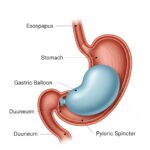
The procedure itself, medically known as a vertical sleeve gastrectomy, involves removing approximately 75% to 80% of the stomach. The remaining stomach is stapled into a vertical, banana-shaped tube or “sleeve.” This new, smaller stomach restricts the amount of food a person can eat at one time, creating powerful feelings of satiety with much smaller portions. Crucially, the removal of the large outer portion of the stomach also significantly lowers the production of ghrelin, often called the “hunger hormone.” This reduction in ghrelin is a major reason why patients report feeling less hungry almost immediately after the procedure, helping to break cycles of overeating.
Choosing to undergo gastric sleeve surgery is not a minor decision; it requires extensive psychological and nutritional preparation. Patients must meet specific criteria, typically relating to their Body Mass Index (BMI), and often must demonstrate a commitment to pre-operative lifestyle changes. The preparation phase ensures that patients are physically and mentally ready to utilize the gastric sleeve as a tool for permanent change, maximizing long-term outcomes.
Breaking Down the Gastric Sleeve Cost and Alternatives
One of the most immediate practical concerns for anyone considering this life-changing procedure is the financial aspect. Understanding the total gastric sleeve cost is essential for planning, as the price tag can vary dramatically based on location, the facility (hospital vs. surgery center), the surgical team’s expertise, and whether the procedure is covered by insurance.
The Full Spectrum of Gastric Sleeve Surgery Cost
On average, the total cost for gastric sleeve surgery in the United States typically falls between $10,000 and $25,000 for self-pay patients. This figure generally includes the surgeon’s fee, anesthesiology, facility fees, and pre-operative tests. It is important to note that this high-end cost often does not include potential long-term expenses, such as lifelong vitamin supplements or post-operative physical therapy. Patients must thoroughly investigate what is bundled into the quoted price. Many insurance plans do provide coverage for bariatric surgery if the patient meets strict health requirements and has documented co-morbidities (like type 2 diabetes or severe sleep apnea). However, navigating insurance approval can be a lengthy and often frustrating process, requiring significant documentation and approval from specialists.
Exploring Non-Surgical Options: Endoscopic Sleeve Gastroplasty
For patients who do not qualify for or wish to avoid traditional surgery, or who have a lower BMI but still need significant help, procedures like the endoscopic sleeve gastroplasty (ESG) offer a compelling alternative. ESG is a less invasive, non-surgical procedure where specialized sutures are placed inside the stomach via an endoscope (a flexible tube inserted through the mouth). These sutures reduce the stomach size, mimicking the effects of the traditional sleeve without external incisions. Since it is non-surgical, the recovery time is much faster, and the risks are generally lower. While it often results in less total weight loss than the traditional surgical gastric sleeve, it provides an excellent intermediate option for many people looking for significant weight management help.
Life After the Sleeve: Recovery and Long-Term Success
The actual procedure is only the beginning of the transformation. Recovery from the gastric sleeve requires adherence to a strict post-operative plan. Most patients spend one to two nights in the hospital and return to light activity within one to two weeks. Full recovery takes about four to six weeks.
The first month involves a staged dietary progression, starting with clear liquids, moving to full liquids, then pureed foods, and finally introducing soft solids. This period is crucial as the stomach heals and adjusts to its new, smaller capacity. Long-term success, however, is not guaranteed by the surgery alone. The gastric sleeve is a powerful tool, but it requires the patient to adopt a fundamental shift in eating habits and commit to regular physical activity. Long-term success is measured not just in pounds lost, but in the reversal or improvement of co-morbid conditions, such as high blood pressure and diabetes, leading to a vastly improved quality of life.
The decision to pursue a gastric sleeve is a monumental step toward prioritizing health and well-being. By understanding the surgical process, preparing for the financial commitments, and fully embracing the necessary lifestyle adjustments, you can maximize the benefits of this modern medical breakthrough. If you are ready to explore how this transformative procedure can fit into your life, consulting with a specialized bariatric expert is the best way to determine the right path for your health journey.