
The eyes are often called the windows to the soul, but sometimes those windows get a little cloudy, shadowed, or droopy. Whether it’s genetics, aging, or simply years of sun exposure, the delicate skin around the eyes is often the first place to show signs of wear. If you’re constantly hearing that you look tired, even when you feel energized, you’re not alone. This is why cosmetic procedures focused on the eye area have become incredibly popular.
For many people seeking a long-lasting and significant refresh, the answer lies in blepharoplasty, commonly known as eyelid surgery. This procedure targets excess skin, fat pockets, and muscle laxity that contribute to puffiness, bags, and drooping upper lids. Modern cosmetic surgery aims not just for a dramatic change, but for a natural, rested look that truly rejuvenates the entire face.
Understanding the process, from choosing the right provider to navigating recovery, is crucial for a successful outcome. If you are considering eyelid surgery, knowing the facts helps you set realistic expectations and feel confident about taking the next step toward brighter, more open eyes.
Why Choosing Top Eyelid Specialists Matters
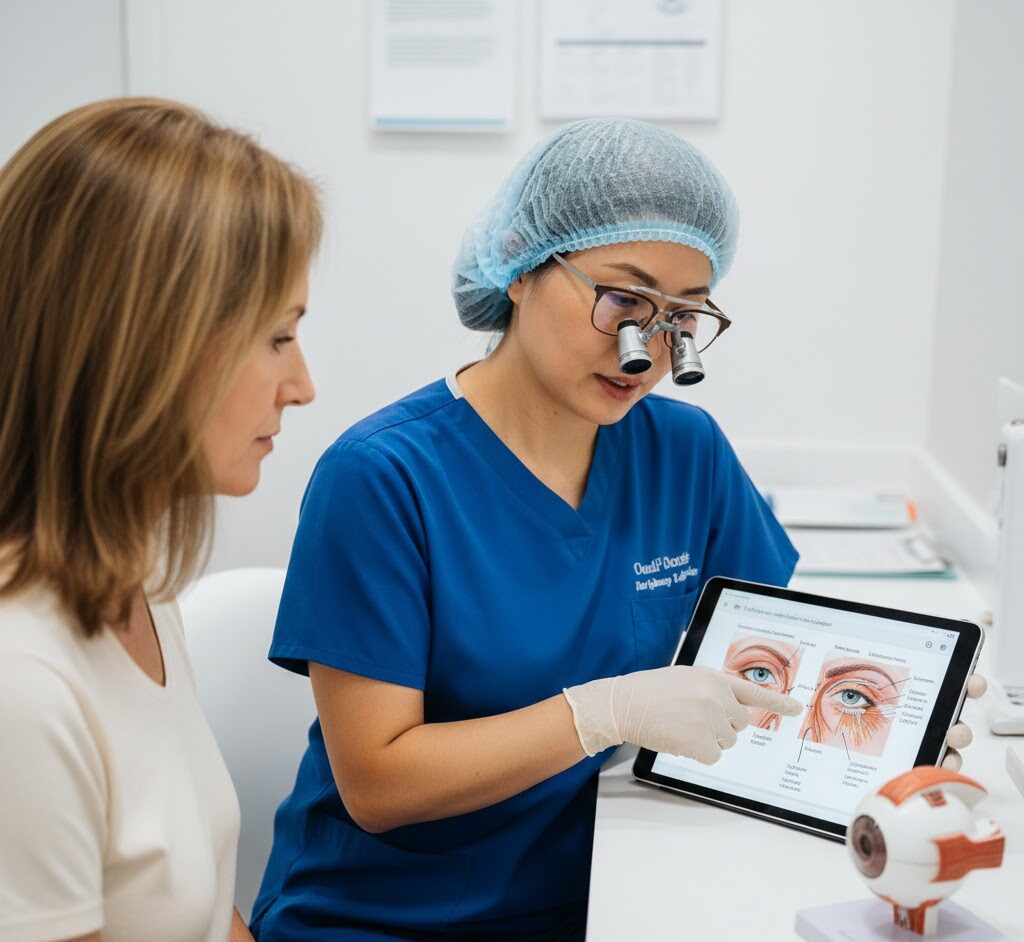
The eyes are arguably the most delicate features on the face. While many surgeons offer cosmetic procedures, when it comes to the intricate structures of the eyelids, choosing highly specialized care is paramount. This is where seeking out expert eyelid specialists becomes essential, ensuring both aesthetic success and functional safety.
These specialists often have dedicated training in oculoplastic surgery—a unique blend of ophthalmology (eye function) and plastic surgery (cosmetics). They understand the detailed anatomy of the eye, tear ducts, and surrounding skin, guaranteeing that the surgery enhances your appearance without compromising your vision or ocular health. They don’t just remove excess skin; they sculpt and refine the area to maintain natural contours.
A general cosmetic surgeon might perform a few blepharoplasties a month, but dedicated eyelid specialists perform them multiple times a week. This high volume of focused experience translates directly into superior results, lower complication rates, and the ability to handle complex or revision cases. Before committing to any procedure, always prioritize a surgeon whose experience is specific to the eyelids and surrounding orbital area. Look for board certifications and affiliations that demonstrate a commitment to this niche area of expertise.
The Modern Guide to Eyelid Surgery Recovery
While the idea of surgery can be intimidating, the recovery process for blepharoplasty is generally smooth and manageable, especially with the minimally invasive techniques used by today’s top surgeons. Being prepared for the recovery timeline is key to a stress-free experience.
Types of Eyelid Surgery
The term eyelid surgery is broad, covering different techniques based on the area needing correction:
Upper Blepharoplasty: This is often performed when excess skin on the upper lid creates a hooded appearance, sometimes even obstructing peripheral vision. The surgeon removes a precise strip of skin and fat, often tightening the muscle, resulting in a lifted and more alert eye appearance. The incision is hidden neatly within the natural crease of the eyelid.
Lower Blepharoplasty: This procedure focuses on the area beneath the eye, targeting puffiness, dark circles caused by shadowing, and fat prolapse (the “bags”). This surgery can be done through an external incision just below the lashes, or often, through a hidden transconjunctival incision inside the lower eyelid, meaning there are no visible external stitches.
Combination Surgery: Many patients benefit from addressing both the upper and lower lids simultaneously to achieve balanced, harmonious results across the entire orbital area.
Your Recovery Timeline: What to Expect
The goal of modern eyelid surgery recovery is efficiency and comfort. While specific guidelines vary by surgeon, here is a general overview:
Immediate Post-Op (Days 1–3): Expect some swelling, bruising, and mild discomfort. Your surgeon will likely recommend cold compresses, keeping your head elevated, and avoiding strenuous activity. Vision may be slightly blurred initially. It is common to feel a tight sensation around the incision sites. Most patients are instructed to use antibiotic ointment or prescribed eye drops.
Week 1–2 (Initial Healing): Swelling and bruising reach their peak around day three and then start to rapidly subside. If external stitches were used (common in upper blepharoplasty), they are usually removed between five and seven days post-op. You can typically return to light, non-strenuous desk work or daily activities after about 7–10 days, though you may still have noticeable discoloration.
Week 3–4 (Social Ready): By the third week, most of the residual swelling and bruising have faded significantly and can easily be covered with makeup. You can usually resume moderate exercise, though heavy lifting should still be avoided. This is often when patients feel comfortable being fully social again.
Months 1–3 (Final Results): The subtle swelling continues to dissipate, and the results become increasingly refined. Scars (which are deliberately placed to be inconspicuous) continue to fade and soften. Full results, meaning the final contours and shape, are typically visible around the three-month mark, leaving you with a rejuvenated, natural look that takes years off your appearance.
Choosing the right timing for your eyelid surgery and following post-operative instructions precisely are the keys to minimizing downtime and maximizing the quality of your results.
Achieving a bright, refreshed look through eyelid surgery can be a genuinely transformative experience, boosting confidence and leaving you looking as energized as you feel. Success hinges not just on the procedure itself, but on informed decision-making beforehand. By prioritizing experienced eyelid specialists, understanding the recovery process, and asking plenty of questions, you set yourself up for excellent, natural-looking results that stand the test of time. Ready to explore your options? Schedule a consultation with a board-certified oculoplastic surgeon today.