

If you are a man dealing with enlarged breast tissue, you are far from alone. This condition, medically known as gynecomastia, affects millions of men globally, causing significant emotional distress, self-consciousness, and often leading to avoidance of activities like swimming or wearing fitted shirts. It’s a surprisingly common issue that stems from hormonal imbalances, certain medications, or sometimes unknown causes.
While diet and exercise can tackle general body fat, they are often ineffective against true glandular gynecomastia. When the underlying cause is excess glandular tissue, the most effective, permanent solution is often surgical intervention. Deciding to explore your options for male breast reduction is a big step toward reclaiming your confidence. This is where specialized procedures, specifically gynecomastia surgery, come into play, offering targeted and lasting results.
Understanding what the procedure entails, how the recovery process works, and what the financial considerations are is essential for making an informed choice. Our goal is to break down the complexities of gynecomastia surgery into simple, straightforward steps so you can move forward confidently.
What to Expect During the Procedure and Recovery
Choosing to undergo gynecomastia surgery is a decision that impacts not only your physical appearance but also your mental well-being. The process typically begins with a detailed consultation with a board-certified plastic surgeon who specializes in this area.
The Consultation Process
During this initial meeting, your surgeon will assess the type and grade of your gynecomastia, which can range from mild enlargement to severe development. They will differentiate between pseudo-gynecomastia (which is mainly fat) and true glandular gynecomastia. You will discuss your medical history, current medications, and, most importantly, your aesthetic goals. This is the crucial stage where the surgeon tailors a surgical plan specifically to your body type and needs. Don’t hesitate to ask about their experience, see before-and-after photos, and clarify any doubts you have about the recovery period.
Techniques Used
Gynecomastia surgery is highly individualized, but it generally involves two main approaches, often used in combination:
Liposuction: If the enlargement is primarily due to excess fatty tissue, the surgeon will use liposuction techniques. A small cannula is inserted through tiny incisions, and the fat is carefully suctioned out, sculpting a flatter, more masculine chest contour. This method is often preferred for less severe cases where skin elasticity is good.
Excision (Glandular Removal): If true glandular tissue or excess skin needs to be removed, the surgeon will use excision. This involves making small incisions, often around the edge of the areola, to remove the dense, fibrous glandular tissue. This technique allows for precise removal and is necessary when dealing with significant tissue firmness or if nipple positioning needs adjustment.
What Happens Post-Op?
Recovery from gynecomastia surgery usually takes a few weeks, though you will be up and moving around within a day or two. Immediately after the procedure, you will wear a compression garment. This garment is non-negotiable—it helps reduce swelling, minimizes fluid retention, and assists your skin in conforming to its new contours.
You should expect some swelling, bruising, and discomfort, which is typically managed effectively with prescribed pain medication. Most patients return to light, desk-based work within a week. However, strenuous exercise, heavy lifting, and intense physical activity are usually restricted for four to six weeks. Adhering strictly to your surgeon’s recovery instructions is paramount to achieving the best possible results.
Breaking Down the Real Gynecomastia Surgery Cost
One of the first questions most patients ask when considering this life-changing procedure is about the financial investment. Understanding the total gynecomastia surgery cost is essential for proper budgeting and decision-making, especially since the price can vary significantly depending on several factors.
Understanding the Components of the Price Tag
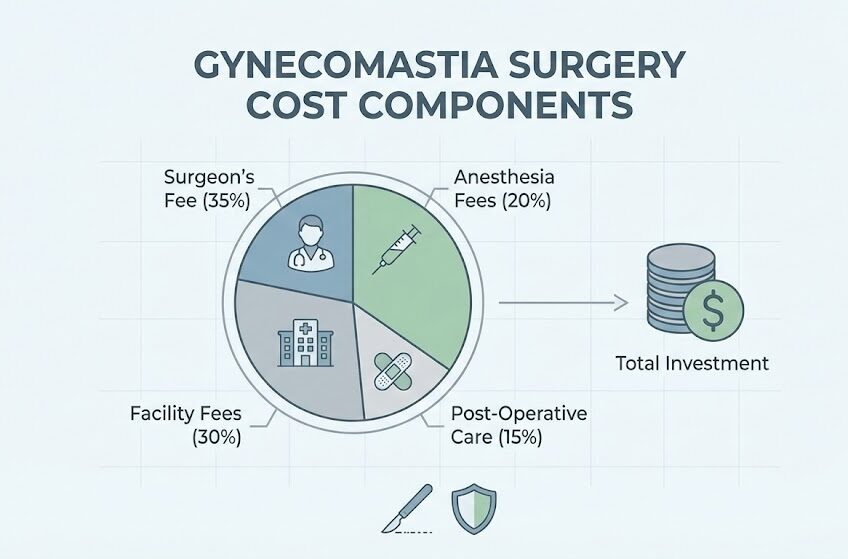
When you receive a quote for gynecomastia surgery cost, it is rarely just a single number representing the surgeon’s fee. The total price is an amalgamation of various services necessary to ensure a safe and successful outcome. Key components include:
- Surgeon’s Fee: This fee is based on the surgeon’s experience, expertise, reputation, and the complexity of your specific case. Highly specialized, board-certified surgeons often charge higher fees, which reflects their skill and E-E-A-T credentials.
- Anesthesia Fees: This covers the cost of the anesthesiologist and the necessary monitoring equipment during the operation. Depending on whether you receive general anesthesia or twilight sedation, this cost will vary.
- Facility Fees: This covers the use of the operating room, sterile supplies, nursing staff, and overnight stay (if necessary). Performing the surgery in an accredited surgical center ensures high safety standards but contributes to the overall gynecomastia surgery cost.
- Pre-Operative and Post-Operative Care: This often includes necessary lab work, pre-op assessments, post-operative garments (compression vests), and follow-up appointments.
- Geographic Location: The cost of living and the concentration of cosmetic surgery practices in your city or state heavily influence pricing. Surgery performed in major metropolitan areas is typically more expensive than in smaller regions.
Insurance and Financing Options
It is important to note that most insurance providers classify gynecomastia surgery as a cosmetic procedure, meaning it is typically not covered by health insurance. However, if the condition is severe, causing documented physical pain, spine issues, or ulceration due to chafing, there may be instances where partial coverage is possible. It requires thorough documentation from your primary care physician and endocrinologist.
Since this is often an out-of-pocket expense, many practices offer financing options, such as medical credit cards or installment plans. Discussing these options with your surgeon’s administrative staff can help make the gynecomastia surgery cost more manageable and accessible. Ultimately, view the cost not just as an expense, but as an investment in your long-term confidence and quality of life.
Reclaim Your Confidence
Gynecomastia surgery is a highly effective, permanent solution for men struggling with excess chest tissue. By understanding the detailed process—from the initial consultation and the techniques used, through to the necessary recovery period and the comprehensive gynecomastia surgery cost—you are prepared to take the next informed step. Choosing a qualified, experienced surgeon is the single most critical factor in achieving the best possible results and regaining the confidence you deserve.