
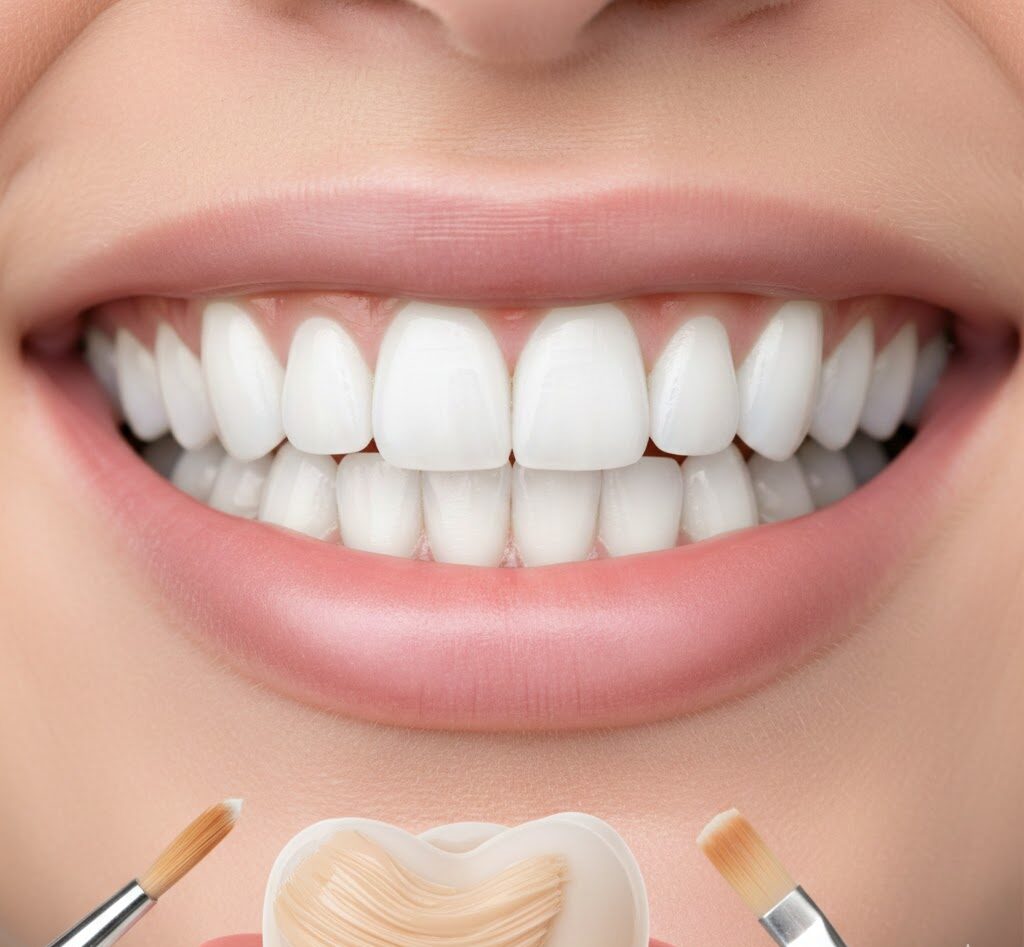
The quest for a flawless, bright smile is more popular now than ever. Thanks to social media and celebrity influences, cosmetic dentistry is booming, but many people are looking for fast, effective, and budget-friendly solutions that skip the extensive commitment of traditional treatments. Enter the game-changer: composite veneers.
If you have minor gaps, chips, uneven edges, or stubborn stains that whitening just cannot touch, composite veneers offer an incredible solution. They provide a dramatic smile transformation, often completed in a single dental visit. This accessibility has made them the trendiest treatment in cosmetic dentistry today, offering high-impact results without a massive financial or time investment.
We are going to dive deep into what these innovative treatments entail, how they stack up against other options, and most importantly, how to care for them to ensure your smile stays stunning for years to come.
Understanding Composite Veneers: The Fast Track to a New Smile
Composite veneers, sometimes called direct bonding or resin veneers, utilize a tooth-colored resin material—the very same material dentists use for standard white fillings. What makes them so revolutionary is the process. Unlike traditional porcelain veneers, which require multiple appointments for planning, prepping, and fabrication in a lab, composite veneers are typically sculpted directly onto your teeth by the dentist during one session.
The process is minimally invasive and often requires little to no removal of the underlying natural tooth structure. The dentist applies the composite resin layer by layer, shaping it to correct imperfections, fill in gaps, and improve the overall shape and symmetry of the smile. Once the desired look is achieved, the resin is hardened using a special curing light, and then meticulously polished to achieve a natural, bright luster.
The appeal of composite veneers goes beyond speed; it lies in the ability to fix common aesthetic issues like chipped edges or minor misalignment without the commitment or cost of porcelain. This treatment provides a fantastic entry point into cosmetic enhancement, giving patients confidence right away.
Maximizing Longevity: How Long Do Veneers Last and Essential Care Tips
When investing in any cosmetic treatment, the first question on everyone’s mind is durability. When talking about composite veneers, how long do veneers last depends significantly on the material itself, the skill of the application, and the patient’s commitment to excellent home care.
The longevity of a cosmetic dental treatment is directly related to the material used. Porcelain is inherently stronger and more stain-resistant than composite resin. However, modern composite materials have advanced significantly, offering impressive resilience when properly maintained.
The Expected Lifespan
Generally speaking, you can expect composite veneers to last between 5 and 7 years. Some patients may enjoy them for longer, perhaps up to 10 years, but this is the exception rather than the rule. Compare this to porcelain veneers, which can easily last 10 to 15 years or even longer.
The shorter expected lifespan of composite veneers is often balanced by their initial affordability and the ease of repair. If a composite veneer chips or stains significantly, the dentist can often fix or “touch up” the area quickly and relatively inexpensively, without needing to replace the entire covering. This makes maintenance much easier over the long term.
Daily Care and Habits to Avoid
To ensure you get the maximum wear out of your composite veneers, maintenance is key. Since composite resin is slightly more porous than porcelain, it is more susceptible to staining, especially from high-pigment foods and beverages.
Daily care should focus on simple, consistent oral hygiene: brushing twice a day with a non-abrasive toothpaste and flossing daily. Avoid using highly abrasive products, as these can scratch the surface of the resin and make it more prone to staining.
Habits to avoid are crucial for protecting your investment. If you are a habitual nail-biter, ice-chewer, or pen-cap chomper, these habits must stop, as they put excess stress on the edges of the veneers and can cause chipping. Furthermore, if you grind your teeth (bruxism) at night, a custom nightguard is non-negotiable. This protective barrier shields the veneers from the immense pressure exerted while you sleep, drastically extending their lifespan.
When Do They Need Replacement?
Even with impeccable care, composite veneers will eventually show signs of wear. Replacement is typically considered when the edges start to lift (which can trap bacteria), when significant discoloration occurs that cannot be polished out, or when multiple chips require frequent repairs.
Over time, the veneers may also lose their initial high polish. While dentists can usually re-polish them during routine check-ups to restore some shine, persistent dullness is another sign that the material is nearing the end of its functional life. Regular visits to your cosmetic dentist, usually twice a year, allow them to monitor the integrity of the veneers and advise you on the best time for replacement or repair.
Conclusion
Composite veneers represent one of the most exciting advancements in accessible cosmetic dentistry, offering a stunning smile transformation in a single, convenient appointment. While the lifespan—typically 5 to 7 years—is shorter than that of porcelain, their lower cost and ease of repair make them an incredibly popular choice for those seeking immediate, impressive results. By committing to excellent daily care and avoiding habits that cause excess wear, you can maximize the time you enjoy your bright, newly enhanced smile.