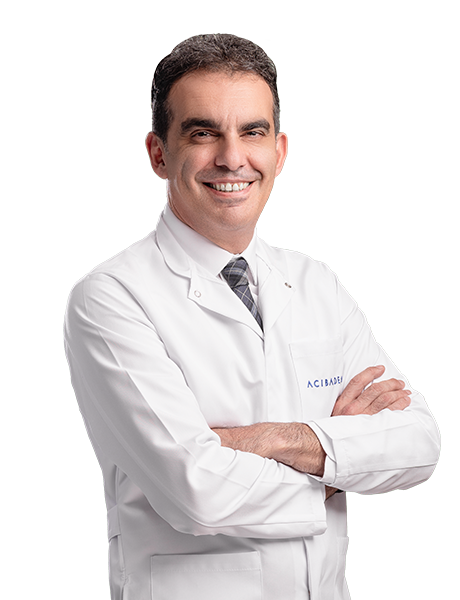
In the rapidly evolving world of modern medicine, finding a specialist who combines deep technical expertise with a compassionate approach is essential for any patient facing a complex health challenge. When it comes to the intricate field of chest and lung health, Dr. Kutsal Turhan stands out as a leading figure whose work has transformed the lives of many. Based in the vibrant medical hub of Turkey, he has dedicated his career to advancing thoracic surgery through innovation and patient-centered care.
Whether you are seeking information for yourself or a loved one, understanding the nuances of thoracic health can feel overwhelming. However, with the right guidance from an expert like Dr. Kutsal Turhan, the path to recovery becomes much clearer. Modern thoracic surgery is no longer just about large incisions and long hospital stays; it is a field defined by precision, technology, and a commitment to helping patients get back to their daily lives as quickly as possible.
The importance of choosing an experienced surgeon cannot be overstated when dealing with the vital organs located within the chest cavity. From the lungs to the esophagus and the chest wall itself, every procedure requires a high level of skill. This guide explores the various facets of modern thoracic care and how experts are making these treatments more accessible and effective for everyone.
Modern Thoracic Surgery and Lung Cancer Treatment
Lung cancer remains one of the most significant health challenges globally, but the way we approach its treatment has changed drastically in recent years. Thoracic surgery has moved toward a model that prioritizes the preservation of healthy tissue and the reduction of postoperative pain. Under the expertise of surgeons like Dr. Kutsal Turhan, patients now have access to methods that were once considered the future of medicine but are now the standard of care.
The shift toward minimally invasive techniques has been a game-changer for lung cancer treatment. By using specialized tools and high-definition cameras, surgeons can perform complex operations through very small openings. This approach not only reduces the physical trauma to the body but also significantly lowers the risk of complications such as infections or heavy bleeding.
Advancements in VATS Surgery
Video-Assisted Thoracoscopic Surgery, commonly known as VATS, is a cornerstone of modern lung cancer treatment. Instead of the traditional open-chest surgery, which required a large incision and spreading of the ribs, VATS allows the surgeon to work through one to three small incisions. This technique is particularly effective for early-stage lung cancer, allowing for the precise removal of tumors while keeping the surrounding lung function intact. The recovery time for VATS is much shorter, often allowing patients to return home within a few days.
Precision and Robotic Assistance
Beyond VATS, robotic-assisted thoracic surgery has added another layer of precision to the operating room. Using a robotic system, the surgeon can perform movements with a range of motion that exceeds the human hand. This is especially useful in tight spaces within the chest, such as the mediastinum. These technological leaps ensure that every patient receives a tailored surgical plan designed for the best possible oncological outcome.
The Importance of Early Diagnosis
No matter how advanced the surgery is, the effectiveness of lung cancer treatment often depends on early diagnosis. Regular screenings for high-risk individuals and paying attention to persistent symptoms like a cough or shortness of breath can make a life-saving difference. When caught early, the surgical options provided by specialists are highly successful in achieving long-term remission.
Understanding Hyperhidrosis Treatment and Sweating Solutions
While lung health is a major focus, thoracic surgeons also address conditions that significantly impact a person’s quality of life, such as hyperhidrosis. Excessive sweating, particularly in the hands, underarms, and feet, can be a source of constant social anxiety and physical discomfort. Fortunately, hyperhidrosis treatment has become highly effective thanks to specialized surgical interventions.
For many people, topical treatments or medications provide only temporary relief. When these conservative methods fail, a thoracic surgeon can offer a more permanent solution. Understanding the physiological cause of excessive sweating is the first step toward finding a lasting fix. It is often caused by an overactive sympathetic nervous system, which sends constant signals to the sweat glands.
The Impact of ETS Surgery
Endoscopic Thoracic Sympathectomy, or ETS surgery, is the gold standard for treating severe palmar hyperhidrosis (sweaty palms). This procedure involves interrupting the specific nerves responsible for the overactive sweating. Because it is performed using minimally invasive techniques, the scars are nearly invisible, and the results are often immediate. Patients who have struggled for years with wet hands find that they can finally shake hands with confidence right after the surgery.
Managing Recovery and Patient Expectations
Recovery from hyperhidrosis treatment is typically very fast. Most patients are back to their normal routines within a week. However, it is important to have a detailed consultation with an expert to understand potential side effects, such as compensatory sweating in other areas of the body. A surgeon with the experience of Dr. Kutsal Turhan will take the time to explain these nuances, ensuring that the patient is fully informed and comfortable with the procedure.
Life After Successful Treatment
The psychological relief that follows successful hyperhidrosis treatment is often more profound than the physical change. People report improved confidence in professional settings and a greater willingness to engage in social activities. It is a clear example of how thoracic surgery can improve the overall quality of life, far beyond just treating life-threatening illnesses.
Specialized Care for Chest Wall Deformities
Another area where thoracic surgery makes a visible difference is in the correction of chest wall deformities, such as Pectus Excavatum (sunken chest) or Pectus Carinatum (pigeon chest). These conditions often appear during childhood or adolescence and can cause both physical symptoms, like heart and lung compression, and emotional distress due to the appearance of the chest.
Modern corrective surgeries are designed to be as non-intrusive as possible. Instead of the older, more invasive methods that involved removing cartilage, newer procedures involve placing a small metal bar under the chest wall to gradually reshape it.
Nuss and Abramson Procedures
The Nuss procedure for sunken chests and the Abramson procedure for protruding chests are the leading minimally invasive options. These bars are usually left in place for a few years while the chest matures into its new shape and are then removed in a simple procedure. This approach has a high success rate and offers excellent cosmetic results, helping teenagers and young adults feel more comfortable in their own bodies.
Comprehensive Post-Operative Support
The journey does not end when the surgery is over. Comprehensive care involves physical therapy, pain management, and regular follow-up appointments. A dedicated medical team ensures that the patient is healing correctly and that the results of the surgery are meeting the expected goals. This holistic approach is what defines top-tier thoracic care today.
Conclusion
Navigating the world of thoracic health can be a transformative journey when you have the right expertise by your side. From the life-saving advancements in lung cancer treatment to the life-changing results of hyperhidrosis treatment and chest wall corrections, the field of thoracic surgery offers more hope and better outcomes than ever before. Specialists like Dr. Kutsal Turhan continue to push the boundaries of what is possible, ensuring that every patient receives the highest standard of care. By staying informed and choosing experienced professionals, you can take control of your health and look forward to a brighter, healthier future. Always remember that your health is your most valuable asset, and it deserves the care of someone who truly understands the science and art of surgery.