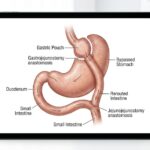

Starting a journey toward better health through weight loss surgery is a life-changing decision. While the surgery itself is a major milestone, the period that follows is where the real transformation begins. Many patients feel a mix of excitement and nervousness as they look forward to their new lives. Understanding the gastric bypass surgery recovery time is essential for managing your expectations and ensuring you have everything in place for a smooth transition.
The recovery process is not just about physical healing but also about adapting to a brand-new lifestyle. From the moment you wake up in the hospital to the months following the procedure, every day brings you closer to your goals. While everyone heals at their own pace, having a general roadmap can help you feel more confident and prepared. In the first few weeks, your body will undergo significant changes as it adjusts to its new digestive structure, making patience and self-care your top priorities.
Understanding Weight Loss Surgery Benefits During Healing
As you navigate the initial stages of your gastric bypass surgery recovery time, it is helpful to keep the weight loss surgery benefits in mind. Beyond the obvious drop in numbers on the scale, patients often notice improvements in their overall energy levels and mobility quite early on. Chronic conditions like type 2 diabetes, high blood pressure, and sleep apnea frequently begin to resolve or become much easier to manage. This period of healing is the foundation upon which your future health is built.
One of the most immediate weight loss surgery benefits is the shift in your relationship with food. Because the capacity of your stomach is reduced, you will feel full much faster than before. This hormonal shift also helps to decrease the intense hunger cues that many people struggle with prior to surgery. Recognizing these positive changes can serve as a great motivator when you are dealing with the temporary discomforts of the post-operative phase.
Mental clarity and a sense of accomplishment are also common benefits. Taking control of your health in such a significant way provides a psychological boost that can carry you through the tougher days of recovery. Seeing your body respond to the surgery and your efforts can increase your self-esteem and give you the momentum needed to stick to your new habits.
Navigating the Gastric Bypass Diet Stages
Your nutritional path is perhaps the most critical part of the gastric bypass surgery recovery time. To allow your new stomach pouch to heal without complications, your surgeon will prescribe a very specific progression of food textures. Skipping steps or moving too quickly can lead to discomfort, nausea, or even damage to the surgical site.
Phase One Liquid Diet
The first stage typically lasts for one to two weeks after the procedure. During this time, you will focus exclusively on clear and full liquids. This includes water, broth, unsweetened juice, and protein shakes that are low in sugar. Hydration is the most important goal during this phase. Because you can only sip small amounts at a time, you must keep a bottle of water or a protein drink with you throughout the day to ensure you are getting enough fluids and nutrients.
Transitioning to Pureed and Soft Foods
Once your medical team clears you, usually around week three, you will move on to pureed foods. This means anything you eat must have the consistency of smooth applesauce or Greek yogurt. You can blend lean proteins like chicken or fish with a bit of broth to reach the right texture. After about two more weeks, you will transition to soft foods that can be easily mashed with a fork. This stage introduces more variety but still requires careful chewing and slow eating to avoid discomfort.
Returning to Solid Meals
By the time you reach the six to eight-week mark, most patients can begin incorporating solid foods back into their routine. However, solid does not mean you can go back to old habits. The focus remains on high-protein, low-carb, and low-sugar options. Lean meats, vegetables, and small portions of fruit become the staples of your diet. Learning to listen to your body and stopping at the first sign of fullness is a skill you will refine during this period.
Creating a Bariatric Surgery Exercise Plan
Physical activity is another vital component of a successful outcome. Developing a bariatric surgery exercise plan helps to preserve muscle mass while you lose fat, boosts your metabolism, and improves your mood. While you won’t be hitting the gym for heavy lifting right away, movement should start as soon as possible to prevent complications like blood clots.
The First Few Weeks of Movement
During the first few days of your gastric bypass surgery recovery time, your exercise plan will consist of short, frequent walks. Even walking from your bed to the door or around the hallway of the hospital counts as progress. These small steps help stimulate circulation and get your digestive system moving again. As you return home, aim to increase your walking time by a few minutes each day. Listen to your body and avoid any straining or heavy lifting for at least six weeks.
Incorporating Low Impact Cardio
Once your surgeon gives you the green light, you can begin to diversify your bariatric surgery exercise plan. Low-impact activities are ideal because they protect your joints while still providing a good cardiovascular workout. Swimming, cycling, and brisk walking are excellent choices. Many patients find that as the weight comes off, they actually enjoy movement more than they ever did before. Consistency is more important than intensity in the beginning, so find activities that you genuinely like.
Tips for Long Term Success After Gastric Bypass
While the gastric bypass surgery recovery time technically covers the first few months, long term success after gastric bypass requires a lifetime commitment to your new habits. Surgery is a powerful tool, but it is not a magic fix. Your choices in the years following the procedure will determine how well you maintain your results.
Emotional Support and Mental Health
The emotional journey after surgery can be just as intense as the physical one. Dealing with changes in body image and food habits can be overwhelming. Seeking support through counseling or bariatric support groups can be incredibly helpful. Connecting with others who have undergone the same process provides a sense of community and shared understanding. Focusing on mental health ensures that you are treating the root causes of overeating and building a healthier mindset for the future.
Monitoring Nutritional Intake
Vitamins and minerals are non-negotiable for long term success after gastric bypass. Because the surgery changes how your body absorbs nutrients, you will likely need to take supplements for the rest of your life. Regular blood tests with your doctor are necessary to ensure you are not developing any deficiencies. Staying on top of your protein intake and hydration will keep your energy levels high and your body functioning at its best.
Conclusion
The gastric bypass surgery recovery time is a unique and transformative period that requires patience, dedication, and a positive outlook. While the first few weeks involve significant adjustments to your diet and activity levels, the long-term rewards are well worth the effort. By following your medical team’s advice, sticking to your nutrition stages, and staying active, you are setting yourself up for a healthier and more vibrant life. Remember that this is a marathon, not a sprint, and every small victory during your recovery is a step toward a better you.