
For years, patients suffering from chronic degenerative diseases—from debilitating arthritis to severe tissue damage—have sought solutions beyond traditional medications and invasive surgeries. The search for effective, non-surgical methods to regenerate and repair damaged cells has driven some of the most exciting innovations in modern medicine. This quest for truly regenerative solutions has led many to look toward advanced technological protocols originating from key medical centers, especially those operating under the banner of Cytron Europa.
This innovative technology, known simply as Cytotron, represents a paradigm shift in how we approach cellular repair. It leverages specific forms of energy to non-invasively interact with the body’s cells, aiming to promote natural healing processes. If you are exploring cutting-edge medical alternatives that promise hope for conditions previously deemed irreversible, understanding the science and potential applications of the Cytotron platform is crucial.
Understanding the Advanced Cytotron Treatment Protocol
The core appeal of the Cytotron platform lies in its non-invasive approach to regenerative therapy. Unlike stem cell injections or complex surgical interventions, this device utilizes targeted radiofrequency energy to influence cellular behavior. The technology is often described using the term Quantum Magnetic Resonance (QMR) therapy, differentiating it from standard diagnostic MRI machines.
The goal of the QMR protocol is not to mask symptoms, but to potentially facilitate the body’s natural ability to repair and restore tissue function. Clinics offering cytotron treatment are often highly specialized, catering to patients who have exhausted conventional options for chronic pain management, cartilage loss, and certain musculoskeletal disorders.
The Science Behind Quantum Magnetic Resonance (QMR)
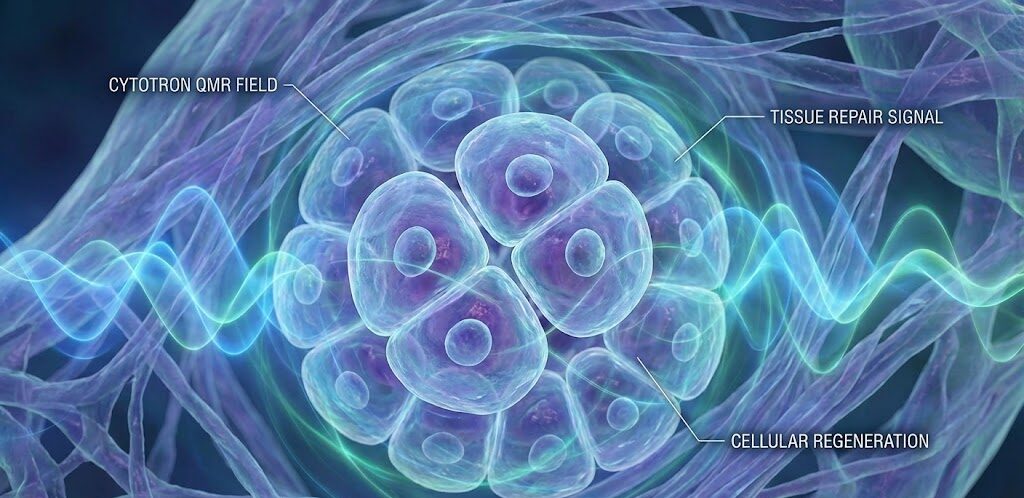
The technology works by delivering precise, low-level radiofrequency signals through a sophisticated electromagnetic field. These signals are calculated to resonate with specific cellular structures. The foundational theory suggests that by providing these targeted frequencies, the device can influence cellular differentiation and proliferation—essentially encouraging the body to repair the damaged tissue or cartilage in a targeted area.
This process is carefully calibrated. The signals are designed to be specific to the type of cell being targeted—for instance, encouraging chondrocytes (cartilage cells) to regenerate in an arthritic joint. Because the treatment involves energy fields rather than drug compounds or surgical instruments, it offers a fundamentally different pathway for regeneration.
Who Might Benefit from Cytotron Treatment?
The primary applications for cytotron treatment currently focus on conditions characterized by degenerative tissue loss. These often include severe osteoarthritis (OA), particularly of the knee, hip, or shoulder, where cartilage erosion has significantly reduced mobility and quality of life.
The technology has also been explored in other areas where cellular regeneration is desired, such as complex non-healing fractures and certain forms of neurological impairment, though its primary adoption globally has centered on musculoskeletal health. Patients considering this path typically have a diagnosis confirming significant tissue degradation and are often seeking to avoid or postpone major joint replacement surgery.
Why Cytotron is Gaining Attention in Modern Medicine
Cytotron has garnered significant interest because it addresses a fundamental gap in orthopedic care: the inability of damaged cartilage to regenerate naturally. While traditional medicine can manage pain or replace the joint entirely, the cytotron offers a biological intervention that supports the body’s own healing mechanisms. The fact that the technology is expanding across centers, particularly in Europe, highlights the growing global acceptance of highly specialized, non-invasive regenerative modalities.
The Non-Invasive Advantage
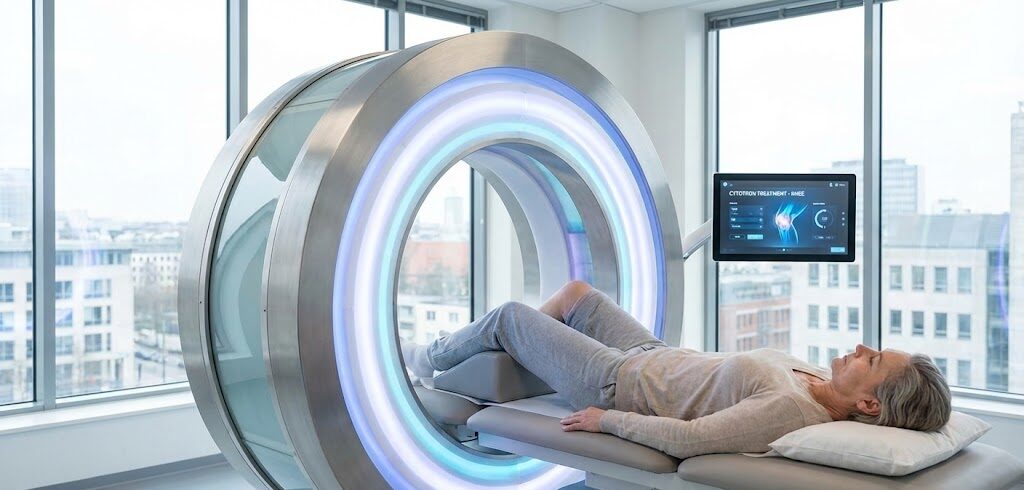
One of the most appealing features of the Cytotron system is the ease of administration. The treatment is entirely non-invasive. Patients simply lie down while the device is positioned to target the affected area. There is no need for anesthesia, incisions, or lengthy recovery periods typically associated with surgery. This low-risk profile makes it an attractive alternative for patients who may not be good candidates for surgery due to age, comorbidities, or personal preference.
The treatment protocol typically involves multiple sessions, often lasting about an hour each, spread over several weeks. The focused, repetitive nature of the therapy is designed to maximize the cellular response over time. The experience itself is generally painless, with patients reporting little sensation beyond perhaps a slight warming in the treatment area.
What to Expect During a Session
If you pursue cytotron treatment, the process is streamlined and focused. After a thorough diagnostic evaluation to confirm suitability, the patient lies on a couch-like platform. The target area (e.g., a knee) is positioned within the machine’s field of action. The device then begins emitting the precisely calibrated QMR signals.
Clinical teams monitor the equipment carefully throughout the session. Since the process is non-ablative (it doesn’t destroy tissue) and non-thermal (it doesn’t generate significant heat), patients can usually return to their normal daily activities immediately after the session. Consistency is key, and adherence to the prescribed schedule is necessary to give the cells the best opportunity to respond to the regenerative signals.
The rise of specialized facilities offering the Cytotron Europa platform underscores a broader shift in healthcare toward solutions that enhance natural repair mechanisms rather than relying solely on pharmacological or surgical fixes. This technology represents a hopeful avenue for patients seeking effective, lower-risk options for chronic degenerative diseases. Always consult with medical experts who specialize in this specific field to determine if QMR therapy is the right choice for your individual health needs.