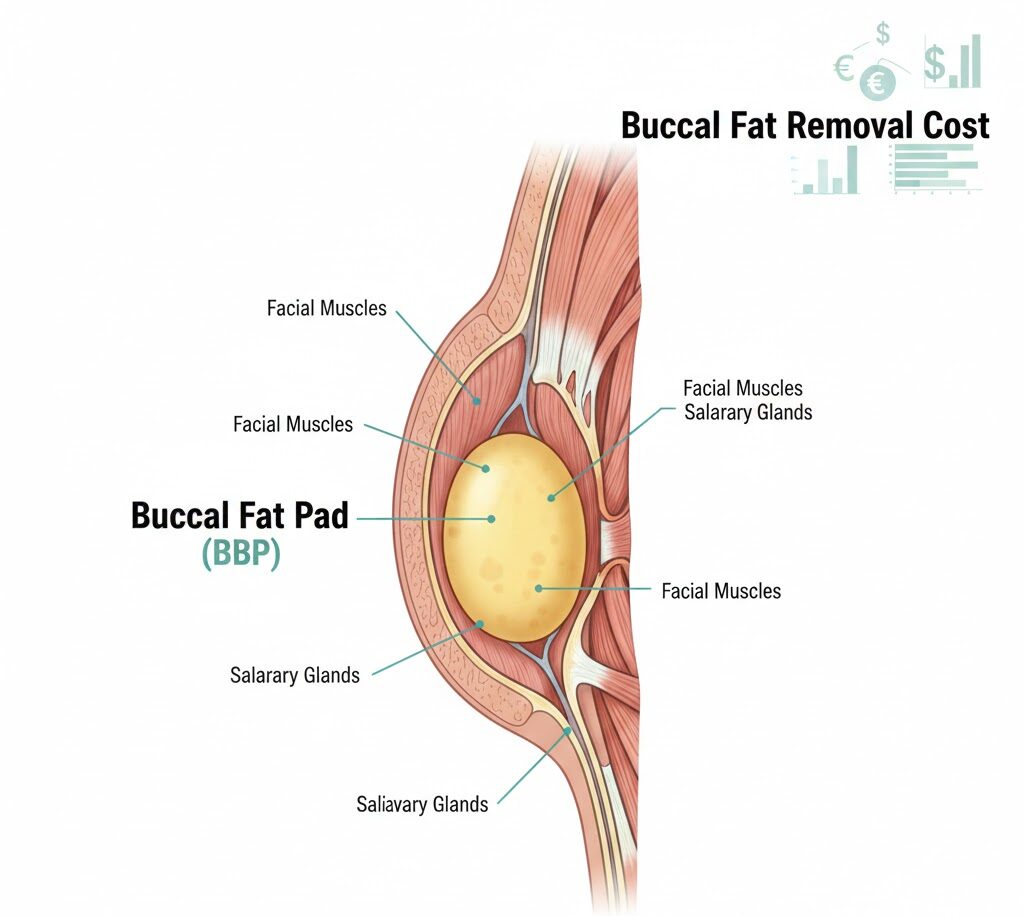
If you’ve spent years wishing your face looked less rounded, you are certainly not alone. The trend toward highly defined cheekbones and a snatched jawline has made certain facial contouring procedures incredibly popular. For many people, the fullness they see in their lower face is due to a specific anatomical structure known as the buccal fat pad. This structure, located deep within the cheeks, is a normal part of facial anatomy, but when enlarged, it can create a perpetually youthful or “chubby” look that some find undesirable as they mature.
Enter the procedure that has taken the cosmetic world by storm: buccal fat removal. This surgical technique offers a permanent solution for reducing lower facial volume, providing a more chiseled, mature, and sculpted appearance. While the procedure itself is relatively quick and straightforward, understanding who is the right candidate and what realistic expectations look like is crucial before taking the plunge. If you are researching how to ditch those “chipmunk cheeks” and achieve high-fashion contours, you need reliable, expert-backed information on buccal fat removal.
What to Expect: Buccal Fat Removal Before and After
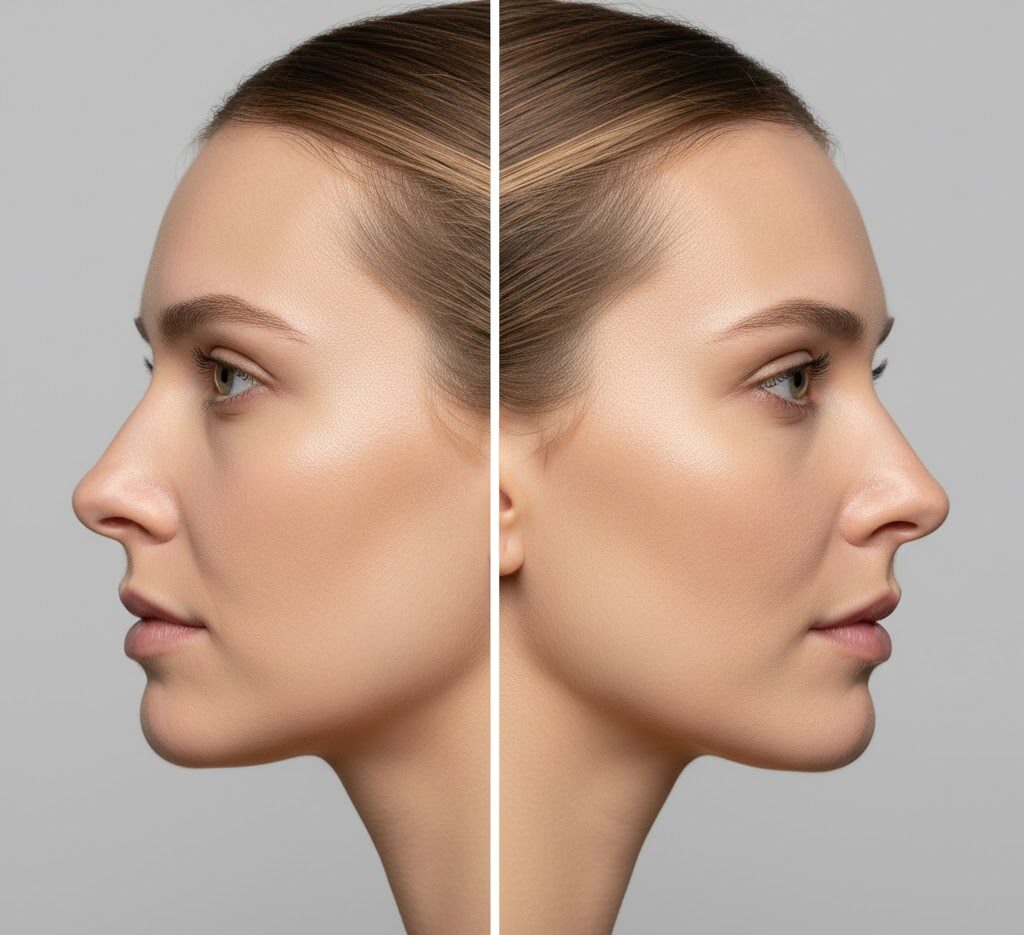
One of the most compelling parts of researching any cosmetic procedure is viewing the impressive results, and images illustrating the journey of buccal fat removal before and after are particularly striking. This procedure is designed to permanently thin the cheeks, often resulting in more defined cheekbones and a noticeable slimming of the mid-to-lower face.
The Procedure Explained
Buccal fat removal involves the careful excision of a portion of the buccal fat pad. Because the fat pad is accessed through a small incision made inside the mouth (on the inner lining of the cheek), there are no visible external scars. The procedure is typically performed under local anesthesia, sometimes combined with sedation, and usually takes less than an hour. The surgeon uses precision techniques to remove the appropriate amount of fat to achieve a balanced contour without risking an overly gaunt appearance, which is a key concern for potential patients.
Who is the Ideal Candidate?
Not everyone with full cheeks is suitable for this surgery. In fact, selecting the right candidate is perhaps the most important factor in ensuring long-term satisfaction. The best candidates for buccal fat removal typically exhibit the following characteristics:
They have genuinely full, rounded cheeks despite maintaining a normal body weight.
They are over the age of 20. Removing buccal fat too early can lead to an aged appearance later, as people naturally lose facial volume as they age.
They have realistic expectations about the outcome, understanding that the results are subtle slimming, not a drastic facial reconstruction.
They have good skin elasticity and are non-smokers.
If a patient is older or already has naturally thin features, removing the buccal fat pad could potentially lead to premature aging or a hollowed-out look years down the line. A qualified specialist will carefully assess your facial structure and projected aging process during your initial consultation.
Recovery Tips for Fast Healing
Because the incisions are internal, recovery is generally swift, although you will need to follow specific care instructions to prevent infection and swelling. Immediately following the surgery, patients may experience moderate swelling, which peaks within the first few days.
Diet is crucial during the initial recovery phase. Surgeons typically recommend a liquid diet for the first 24 to 48 hours, transitioning to soft foods (like yogurt, mashed potatoes, and soup) for about a week. You will also be advised to rinse your mouth with a special antiseptic mouthwash or salt water after every meal to keep the internal incisions clean.
The final, chiseled effects revealed in stunning buccal fat removal before and after photos usually take time to fully develop. While initial swelling subsides quickly, the true sculpted definition can take up to three to four months to become completely visible as the tissues settle.
Understanding the Investment: Buccal Fat Removal Cost
When considering a cosmetic procedure, financial planning is essential. The total buccal fat removal cost can vary significantly depending on several key variables. It is crucial to remember that this is an investment in a permanent change to your facial structure, and prioritizing surgeon expertise over the lowest price is paramount.
Factors Influencing the Total Cost
The price quoted for buccal fat removal is rarely a single number; rather, it is composed of several components. In general, patients can expect the total cost to range widely, depending on where they live and the surgeon they choose. Key factors include:
Surgeon’s Fees: This is often the largest variable. Highly experienced, board-certified plastic surgeons specializing in facial procedures typically charge more, reflecting their expertise and reputation.
Geographic Location: Procedures performed in major metropolitan areas with high costs of living (like New York or Los Angeles) are generally more expensive than those performed in smaller cities.
Facility Fees: Whether the procedure is performed in an accredited surgical center or an outpatient clinic affects the facility fee.
Anesthesia Fees: The type of anesthesia used (local versus general sedation) and the qualifications of the anesthesiologist (if applicable) will influence the overall price.
Because buccal fat removal is an elective cosmetic surgery, it is almost never covered by medical insurance. Prospective patients should inquire about financing options or payment plans offered by the clinic during the consultation process.
The Consultation Process
Before undergoing any surgery, the consultation process provides the foundation for successful results. This is where you meet your surgeon, discuss your goals, and receive a thorough facial analysis.
During this appointment, your surgeon will examine your facial structure, your skin quality, and assess the volume of your buccal fat pads. They will also discuss your medical history, current medications, and lifestyle habits (like smoking). A reputable surgeon will take the time to explain the procedure in detail, review the potential risks, and ensure you have realistic expectations regarding the buccal fat removal before and after outcomes. They should also provide a transparent, itemized breakdown of the buccal fat removal cost. Use this opportunity to ask detailed questions about their experience, particularly with this specific procedure, to ensure high standards of E-E-A-T.
Conclusion
Buccal fat removal can be a transformative procedure for those seeking a more sculpted and defined facial contour, effectively turning roundness into definition. While the trend is popular, responsible candidacy screening and expert surgical technique are essential for achieving satisfying, long-lasting results that harmonize with your natural aging process. If you are serious about achieving those chiseled cheeks, your first step should be scheduling a comprehensive consultation with a board-certified facial plastic surgeon who can guide you through the process, from understanding the surgical nuances to the final reveal of your stunning buccal fat removal before and after transformation.