
In a world obsessed with appearances, we often forget that sometimes, having larger breasts isn’t a source of pride—it’s a source of pain. For millions of people, disproportionately large breasts cause significant physical discomfort, emotional strain, and limitations in daily life. This isn’t just about appearance; it’s about quality of life. If you’ve spent years dealing with chronic back pain, deep shoulder grooves from bra straps, and difficulty exercising, you know the frustration is real.
Fortunately, there is a proven path to relief. The decision to explore a breast reduction is often the first step toward reclaiming comfort, confidence, and mobility. This procedure, technically known as reduction mammoplasty, is consistently reported by patients as one of the most transformative surgeries they undertake. This comprehensive guide will walk you through everything you need to know about the process, helping you determine if a breast reduction is the right choice for your lifestyle and goals.
Deciding If Breast Reduction Surgery Is Right for You
A breast reduction isn’t purely a cosmetic procedure; it is often medically necessary. Understanding the specific issues that qualify you for this major step is crucial when discussing options with a medical professional. The goal of this breast reduction surgery is not only to achieve a size that is proportionate to your body frame but, more importantly, to alleviate the serious physical symptoms caused by excess weight and volume.
Physical symptoms are the most common driver for seeking relief. These symptoms usually worsen over time and often resist non-surgical interventions like physical therapy or chiropractic care.
Chronic Pain
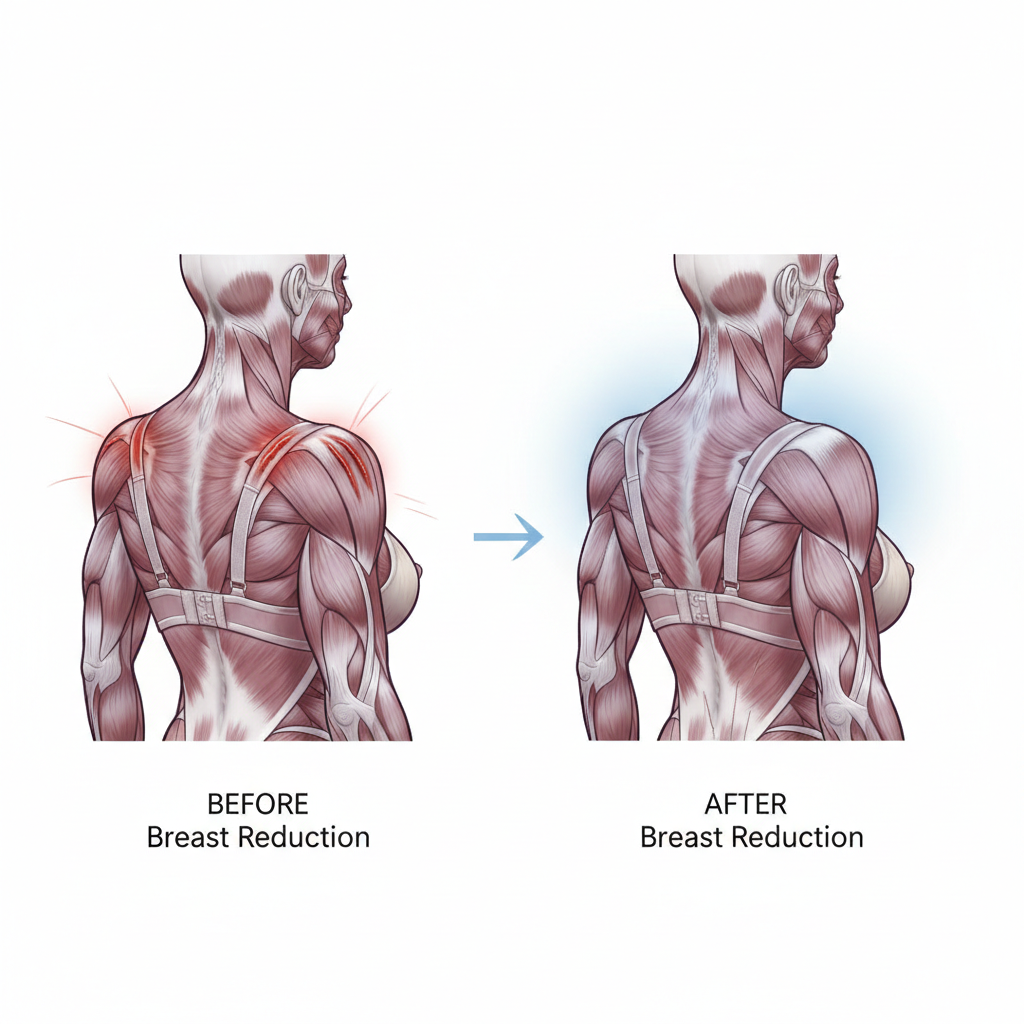
One of the primary indicators that a breast reduction is appropriate is persistent neck, shoulder, or upper back pain. This pain is often debilitating and is directly attributed to the sheer weight pulling down the upper torso. Patients frequently report significant grooves etched into their shoulders from bra straps attempting to manage the weight.
Skin Irritation and Hygiene Issues
The skin underneath large breasts can be prone to persistent rashes, fungal infections, and irritation (intertrigo) due to heat and moisture entrapment. Despite strict hygiene practices, this condition is difficult to control without reducing the skin-to-skin contact.
Limitations in Activity
Many individuals find that excess breast volume severely limits their ability to participate in sports, exercise, or even simple activities like running or jogging. The physical restriction and discomfort can lead to a less active lifestyle, impacting overall health and mental well-being. If your clothing fits poorly, or if you feel self-conscious or anxious about your appearance, these emotional factors also weigh heavily in the decision-making process.
What to Expect During the Breast Reduction Surgery Process
Once you’ve made the decision to move forward, understanding the stages of the breast reduction surgery process will help ease any anxiety. This journey begins long before the actual operating day with a detailed consultation.
The Consultation
Your initial consultation is the most critical step. You will meet with a board-certified plastic surgeon to discuss your symptoms, lifestyle goals, and expectations. Be honest about your discomfort levels and what you hope to achieve. The surgeon will examine you, take measurements, and discuss possible cup sizes and resulting scar patterns. It is important to remember that the surgeon’s priority is creating a functional, comfortable, and aesthetically pleasing result while ensuring a safe recovery. This is where you will get clear, expert information about the procedure’s risks and benefits.
The Surgical Technique
The procedure itself typically takes a few hours and is performed under general anesthesia. The fundamental goal of the surgery is threefold: to remove excess glandular tissue, fat, and skin; to reshape the remaining breast tissue; and to reposition the nipple and areola complex higher on the chest. The technique chosen depends entirely on the size of the reduction needed and the patient’s anatomy, but the most common methods involve incisions that leave scars in a pattern that resembles an inverted T (often called an anchor pattern) or a lollipop shape. Modern techniques prioritize minimizing scarring while maximizing the lift and relief.
Navigating the Recovery and Results
Recovery is often the phase patients are most curious about. While the idea of a procedure can be intimidating, recovery from a breast reduction is generally manageable, provided you follow your surgeon’s specific instructions meticulously.
Immediate Post-Operative Period
Immediately following your breast reduction surgery, you will experience soreness, swelling, and bruising. You will typically wake up with dressings and possibly small drainage tubes, which are usually removed within the first few days. Pain is controlled with medication, and most patients find the discomfort level surprisingly tolerable, often described as a tight ache rather than sharp pain. You will be advised to wear a supportive surgical bra 24/7 for several weeks.
The Recovery Timeline
The first week is dedicated to rest. Heavy lifting (anything over 5 to 10 pounds) is strictly forbidden. Most people can return to light, desk-based work within one to two weeks. Avoid strenuous activity and reaching overhead for at least four to six weeks. Swelling can take several months to fully subside, but the relief from the weight of the breasts is often felt immediately. By the six-week mark, most patients are cleared to return to their regular exercise routines, often reporting a massive improvement in their ability to move freely.
Scar Management
Scars are an unavoidable part of breast reduction surgery, but they are designed to fade significantly over time. Scar management—using silicone strips, specialized creams, and sun protection—should be diligently followed starting a few weeks post-surgery. Within a year or two, the scars typically soften and lighten, becoming less noticeable. Most patients agree that the trade-off—comfort, relief, and better proportion—is well worth the resulting lines.
A breast reduction is a transformative journey that extends far beyond the operating room. It is a highly effective, frequently life-changing procedure that offers genuine relief from chronic physical burdens. If you have been struggling with the symptoms of macromastia, talking to an experienced professional about breast reduction is the most empowering step you can take toward a healthier, more comfortable, and more active future.