
The nose is the undisputed centerpiece of the face, and feeling confident about its appearance can be a major boost to your self-esteem. For decades, people have sought surgical solutions to enhance both the form and function of their noses. Today, the conversation around cosmetic procedures is more open than ever, with many individuals exploring their options. If you are considering changes to the shape or size of your nose, chances are you have encountered the term rhinoplasty.
Rhinoplasty is a sophisticated surgical procedure designed to alter the structure of the nose, whether for purely aesthetic reasons or to correct breathing issues. It’s one of the most common cosmetic surgeries globally, and modern techniques emphasize subtle, natural results that complement your unique facial structure rather than creating an obviously “done” look.
Deciding to undergo rhinoplasty is a significant step that requires careful planning, research, and a clear understanding of what is achievable. This guide breaks down the essential information you need to navigate the process, from visualizing the changes to understanding the investment required for this transformative journey.
What to Expect from Modern Nose Jobs
The term nose jobs often brings to mind dramatic transformations seen in older media, but the field of nasal surgery has evolved dramatically. Today’s expert surgeons prioritize harmony, balance, and preservation of natural tissue. The goal is not just to make the nose smaller or straighter, but to ensure that the final result seamlessly integrates with your other features, enhancing your overall appearance without drawing undue attention to the surgery itself.
Modern nose reshaping techniques fall into two main categories: open and closed procedures. A closed rhinoplasty involves making incisions only inside the nostrils, leaving no external scarring. An open rhinoplasty uses a small incision across the columella (the strip of tissue separating the nostrils), which allows the surgeon greater visibility and precision, especially for complex structural work. The choice between the two depends entirely on the complexity of the desired change and the surgeon’s preferred method.
Furthermore, rhinoplasty isn’t always about aesthetics. Many individuals require functional rhinoplasty, often combined with a septoplasty, to correct a deviated septum or fix structural issues that impede airflow. When the procedure improves breathing, it moves from purely cosmetic territory into reconstructive surgery, which can have implications for insurance coverage. Whether you are seeking a subtle refinement of the bridge or a complete overhaul to improve symmetry and function, the foundation of a successful operation is clear communication with an experienced, board-certified surgeon.
Visualizing Your Transformation: Rhinoplasty Before and After
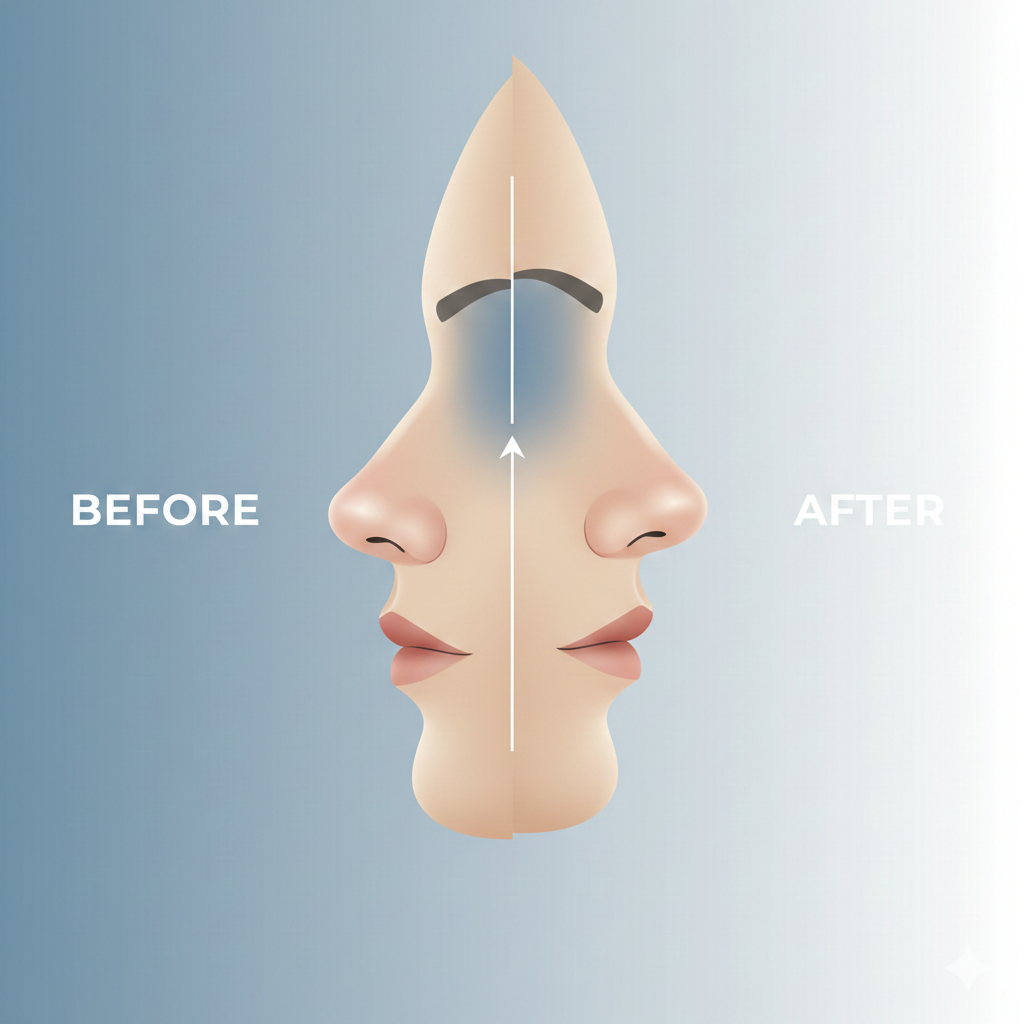
One of the most exciting yet challenging aspects of planning any major cosmetic procedure is visualizing the final outcome. The concept of rhinoplasty before and after photos is essential, not just for seeing successful results, but for setting realistic expectations for your own journey.
The Consultation Process
The initial consultation is arguably the most critical step in the entire process. This is where your surgeon acts as both an artist and an architect. During this meeting, you will discuss your specific concerns, aesthetic goals, and medical history. Many leading practices utilize advanced 3D imaging technology to simulate the potential post-operative results. This technology allows you and the surgeon to digitally manipulate images of your face, providing a visual road map for the surgery. While these simulations are helpful tools, they are predictions, not guarantees, and your surgeon should always stress the importance of realistic goals. Reviewing the surgeon’s gallery of previous cases, particularly patients with similar nasal characteristics to yours, gives you a strong indicator of their skill and aesthetic sensibility.
Understanding Recovery Timelines
The true “after” picture takes time. While initial swelling and bruising typically subside within the first two weeks, allowing you to return to work and social activities, the nose is a complex structure that heals gradually. Patients often see 80% of the final result within three to six months, but residual swelling, especially at the tip, can take up to a full year (and sometimes longer) to completely resolve. This long recovery timeline means patience is paramount. During the first few weeks, strict adherence to post-operative care instructions—including avoiding strenuous exercise and protecting the nose from impact—is crucial for ensuring optimal healing and the best possible outcome.
Breaking Down the Nose Operation Cost
One of the first questions patients ask is related to the nose operation cost. It is important to understand that rhinoplasty is a personalized procedure, and the price is rarely a fixed number. Attempting to choose a surgeon based solely on the lowest price can compromise your safety and the quality of your results.
Factors Affecting the Price
The total investment for a rhinoplasty procedure generally comprises several distinct fees. The first and largest component is the surgeon’s fee, which reflects their expertise, reputation, and the complexity of the surgery. Second, there are anesthesia fees, which cover the services of the anesthesiologist and the necessary medications. Third, facility fees cover the operating room time, nursing care, and necessary equipment, whether the surgery is performed in a hospital or an accredited surgical center. Location also plays a huge role; procedures performed in major metropolitan hubs typically cost more than those in smaller markets. When budgeting, remember to factor in potential costs for necessary prescriptions, post-operative garments, and time off work.
Is it Covered by Insurance?
The question of insurance coverage hinges entirely on the functional component of the procedure. If the nose reshaping is purely cosmetic, insurance will not cover the cost. However, if you are undergoing a functional rhinoplasty or a septoplasty to correct chronic breathing difficulties, a portion of the surgical fees related to airway improvement may be covered. To determine coverage, your surgeon will likely need to perform diagnostic tests, such as nasal endoscopy, to demonstrate medical necessity to your insurance provider. It is common for patients to have a combined procedure, where the functional elements are billed to insurance and the cosmetic enhancements are paid for out-of-pocket.
The decision to undergo rhinoplasty is deeply personal and should be approached with thorough research and realistic expectations. By partnering with a qualified expert, understanding the expected recovery process, and planning your financial investment responsibly, you can move forward confidently on your path toward achieving the nose you desire.