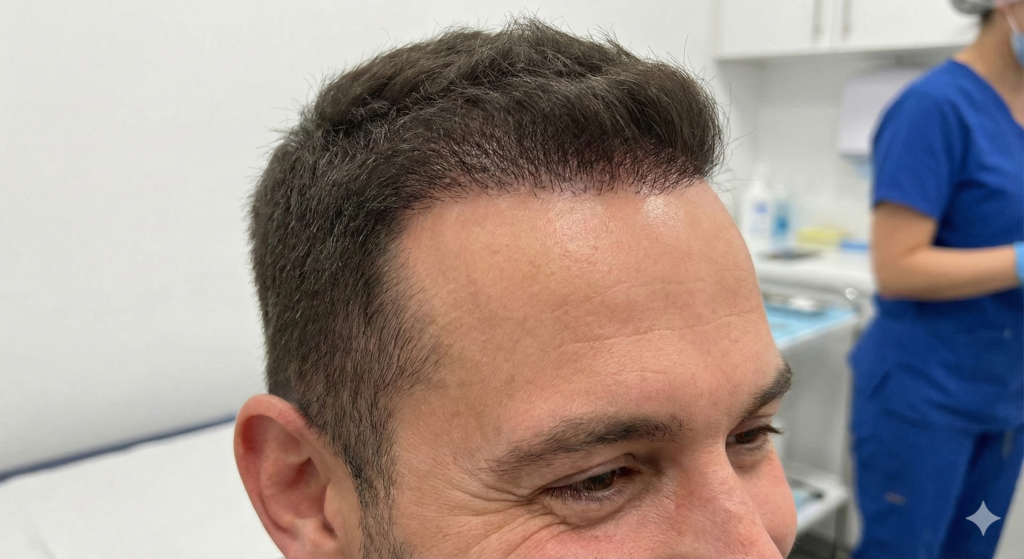
Dealing with hair loss can be tough. Whether it’s a receding hairline, crown thinning, or total pattern baldness, the confidence drain is real. Fortunately, modern science has made incredible strides, turning what was once a complex, obvious procedure into a highly refined, almost artistic restoration process. You are not alone in seeking solutions, and if you’ve been scrolling through comparison photos and success stories, you know that the dream of a fuller, more youthful head of hair is entirely achievable.
For millions globally, choosing to undergo hair transplant surgery is a life-changing decision. It’s an investment in self-esteem and appearance that offers permanent results. But before booking a flight or scheduling a consultation, it’s crucial to understand the landscape: the techniques, the recovery, and, most importantly, where in the world you can find the best combination of quality and value.
The journey starts with understanding the two gold-standard techniques today: Follicular Unit Extraction (FUE) and Direct Hair Implantation (DHI). Both involve moving healthy hair follicles from a donor area (usually the back of the head) to the balding or thinning areas. This procedure, properly termed hair transplant surgery, is meticulous, requiring skill, precision, and an artistic eye to ensure a natural-looking result that lasts a lifetime.
Why Everyone is Choosing Turkey for Hair Restoration
When researching hair restoration options, one country dominates the conversation: Turkey. The phenomenon of the Turkish hair transplant isn’t a coincidence; it’s the result of strategic medical tourism development, high competition, and exceptional expertise. Choosing a hair transplant turkey destination means tapping into a market that performs a staggering number of procedures annually. This volume leads directly to higher specialization and efficiency among surgical teams.
Quality Meets Affordability
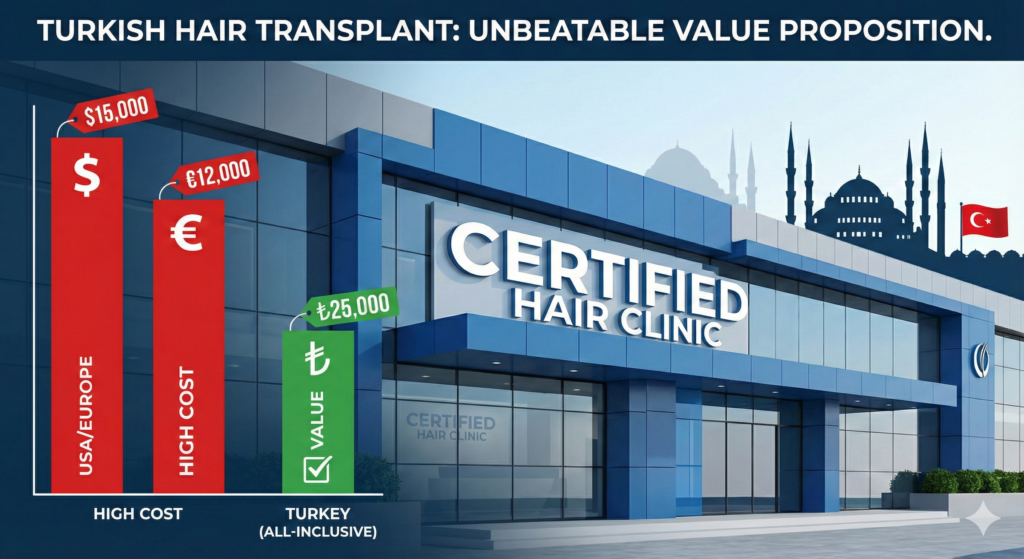
The primary driver for the massive appeal of a Turkish hair transplant is the compelling balance between quality standards and cost-effectiveness. The general cost of living and operational expenses in Turkey are significantly lower compared to those in Western Europe or the United States. This economic difference allows top-tier clinics to offer comprehensive treatment packages at prices that are often 50% to 70% less than equivalent services elsewhere, without cutting corners on safety or equipment.
World-Class Expertise and Facilities
Because hair transplant surgery is such a booming industry in Turkey, competition ensures that clinics must adhere to international quality certifications and utilize the latest technology, such as sapphire FUE blades and DHI implanter pens. Many of the surgeons specializing in hair transplant Turkey procedures have dedicated their entire careers to this single field, performing thousands of procedures and perfecting their technique. This level of focused expertise is difficult to match.
All-Inclusive Travel Packages
A further advantage is the seamless, all-inclusive packages often provided. These typically bundle the surgery itself with accommodation, airport transfers, post-operative medications, and dedicated language support. This removes much of the stress associated with international medical travel, making the entire experience smooth and focused solely on recovery.
Understanding the Real hair transplant price
The conversation around cost is often the most confusing part of the planning process. The final hair transplant price is rarely a single fixed number; it varies based on several clinical factors and patient-specific needs. While the perceived affordability of treatments in places like Turkey is tempting, it is essential to understand what dictates the final fee.
Factors Influencing Cost
The number one factor affecting the hair transplant price is the extent of your hair loss, measured by the number of grafts required. A minor hairline touch-up may require 1,000 grafts, while a patient with extensive baldness might need 4,000 to 6,000 grafts over one or two sessions. The chosen technique also matters: FUE is generally standardized, but DHI (Direct Hair Implantation) is often slightly pricier due to the specialized tools and increased time needed for implantation.
Comparing Costs: Domestic vs. International
For perspective, in North America or Western Europe, the average cost per graft can range from $4 to $8. A 2,000-graft procedure could easily cost $8,000 to $16,000. In a major hair transplant turkey clinic, the total package for the same 2,000-graft procedure might range from $2,500 to $5,000, including the full travel package. This profound difference explains the current global migration for treatment.
What Should Be Included in the Quote?
When reviewing a quote for your hair transplant surgery, ensure it covers more than just the procedure fee. A trustworthy quote should explicitly include: pre-operative blood tests, the surgery fee (including graft number and chosen technique), all medications (antibiotics, pain relievers, minoxidil/finasteride for post-op care), specialized shampoos, the first few wash sessions at the clinic, and long-term follow-up consultations.
Realistic Expectations and Recovery
Regardless of where you have the surgery, success hinges on two things: the skill of the medical team and your patience during the recovery process. The first few days involve mild swelling and redness. The implanted hairs will typically shed between weeks two and eight (this is completely normal) before the new, permanent hair begins to grow around the fourth month. The final, dense results usually take between 12 and 18 months to fully materialize. Choosing a reputable clinic ensures you have expert guidance throughout this period.
Choosing hair transplant surgery is a major step toward reclaiming your appearance and confidence. By understanding the techniques available, recognizing the value proposition offered by destinations like Turkey, and being realistic about the recovery timeline, you can navigate this process successfully. Invest time in researching accredited clinics and experienced surgeons, prioritize patient safety over ultra-low costs, and prepare for a transformation that will genuinely last.