Hair loss is incredibly common, yet for many people, it remains a source of frustration and self-consciousness. For decades, the options for restoration felt limited, often involving messy topical treatments or outdated surgical methods that left noticeable scarring. But the world of hair restoration has undergone a massive transformation, moving toward highly refined, minimally invasive techniques that deliver natural-looking, permanent results.
If you’ve been researching options, you’ve likely come across the gold standard procedure: the Follicular Unit Extraction, or FUE. The modern approach of a FUE hair transplant has redefined what is possible for those struggling with thinning hair or bald spots. It’s a precise, sophisticated method that focuses on patient comfort, rapid recovery, and, most importantly, results that look completely undetectable.
Choosing a hair transplant is a significant decision, and understanding exactly what the FUE technique involves, why it’s so popular, and what to realistically expect regarding the investment is key to moving forward with confidence. We’re here to break down this groundbreaking procedure, simplifying the science and giving you the expert insight you need to make an informed choice.

The FUE Hair Transplant Explained: Why It’s Better Than Older Methods
The core genius of the FUE procedure lies in its approach to harvesting donor hair. Unlike older methods like Follicular Unit Transplantation (FUT), which requires removing a linear strip of scalp tissue (often resulting in a visible scar), FUE extracts individual follicular units—clusters of 1 to 4 hairs—directly from the donor area, typically the back and sides of the head.
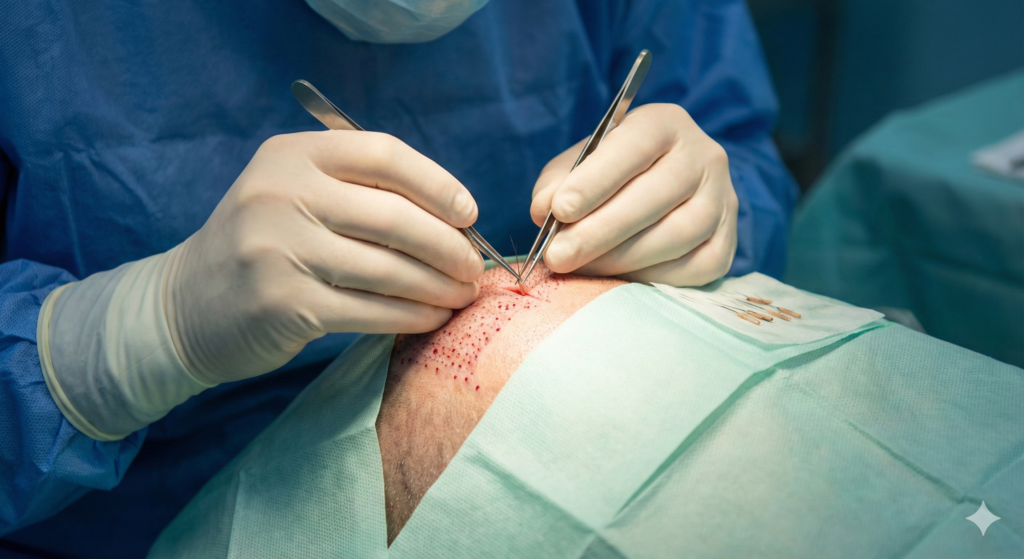
This individualized extraction process is carried out using tiny micro-punches, usually less than 1 millimeter in diameter. The individual units are carefully harvested, kept in a specialized solution to maintain their viability, and then meticulously implanted into the recipient areas where the hair is thinning. This precision planting allows the surgeon to control the angle, direction, and density of the new hair, ensuring a result that perfectly mimics natural hair growth patterns.
One of the biggest advantages of the FUE technique is the minimal recovery period. Because no linear incisions are made, scarring is virtually nonexistent. Patients are left with tiny, pinprick-sized dots in the donor area that heal rapidly and are generally unnoticeable even when the hair is worn short. This translates to less downtime and a quicker return to your normal routine—a huge selling point for those with busy modern lives.
Understanding the True FUE Hair Transplant Cost
While the effectiveness of FUE is undeniable, the question everyone eventually asks is: What is the real fue hair transplant cost? It’s important to understand that hair restoration surgery is an investment in yourself, and unlike buying a standardized product, the price is highly variable based on several critical factors. There is no single price tag for a hair transplant; rather, it’s a customized quote determined by the specific needs of your hair loss pattern and the expertise of your surgical team.
If a clinic offers a price that seems too good to be true, exercise caution. Quality surgeons, highly trained technicians, state-of-the-art equipment, and comprehensive post-operative care all contribute to the final price. Paying for expertise minimizes the risk of poor graft survival rates or unnatural-looking results, which could necessitate costly revision surgeries later on.
Geographic Location and Clinic Reputation
The location of the clinic plays a huge role in the overall cost structure. Hair transplant costs in major metropolitan areas or countries with a higher cost of living (like London, New York, or certain Western European cities) will typically be significantly higher than those in regions known for medical tourism. Furthermore, the reputation of the surgeon matters. Highly sought-after surgeons who have built a career on exceptional results and specific specialization in FUE will command a higher fee, reflecting their proven expertise and successful track record.
Number of Grafts Required
This is often the primary driver of the final bill. The extent of your hair loss determines how many grafts—or individual follicular units—are needed to achieve the desired density and coverage. Early stages of hair loss might require only 1,000 to 1,500 grafts, while advanced hair loss requiring coverage of the crown and hairline could necessitate 3,000 grafts or more, potentially spread across multiple sessions. Most clinics quote the cost either on a per-graft basis or as a flat fee for the entire procedure once the graft count is finalized during the consultation.
Included Services and Technology
A comprehensive fee often covers much more than just the surgery itself. When calculating the total fue hair transplant cost, factor in what the clinic includes. This may cover pre-operative blood tests, necessary medications (like anti-inflammatory drugs and pain relief), post-operative care kits, and follow-up check-ups. Clinics utilizing cutting-edge technology—such as specialized implanters or robotic assistance systems—might also have higher operating costs, which are reflected in the final price. Always ask for a detailed breakdown of what is included to avoid unexpected charges.
The consultation process is essential for determining a realistic budget. During this time, the surgeon will assess your donor hair quality, map out the recipient areas, and provide a definitive graft estimate. This professional evaluation gives you the most accurate prediction of the investment required for your personalized treatment plan.
The decision to undergo a FUE hair transplant is a commitment to achieving long-lasting change and renewed self-confidence. By choosing the FUE technique, you are opting for the most advanced, minimally invasive method available today, promising natural density without the tell-tale linear scar. While the Fue hair transplant cost requires a significant investment, understanding the factors—from surgeon skill to graft count—ensures you prioritize quality and expertise. When performed by an experienced professional, FUE delivers permanent results that are worth the investment in your future appearance and well-being.