
Hair loss can feel isolating, but it is incredibly common. For many years, the solutions were limited to topical treatments, medications, or sometimes, less-than-natural surgical options. But we are living in a golden age of cosmetic medicine, and the technology surrounding hair restoration has undergone a revolutionary transformation. Forget the outdated, pluggy results of the past—today’s procedures prioritize density, natural hairlines, and minimal downtime.
If you are considering taking the leap toward permanent hair restoration, understanding the modern science behind a successful hair transplant is the crucial first step. It is no longer a procedure reserved for older men; people of all genders and ages are seeking this reliable method to regain confidence and density. We will break down the techniques, expectations, and practical realities, ensuring you are fully prepared for this life-changing procedure.
Choosing the Best Hair Transplant Technique for You
When you research hair restoration, you quickly discover that there are two main competing methods. However, one has largely taken over the field as the preferred option for both patients and surgeons focused on natural, undetectable results. Determining the best hair transplant method depends heavily on the extent of your hair loss, the quality of your donor area, and your personal recovery preferences.
FUE (Follicular Unit Extraction): The Gold Standard
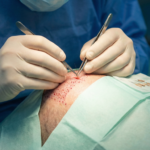
Follicular Unit Extraction, or FUE, is the most popular and advanced method currently used worldwide. Instead of removing a strip of skin (as in older methods), FUE involves the individual extraction of follicular units—tiny groups of one to four hairs—directly from the donor area (usually the back of the head).
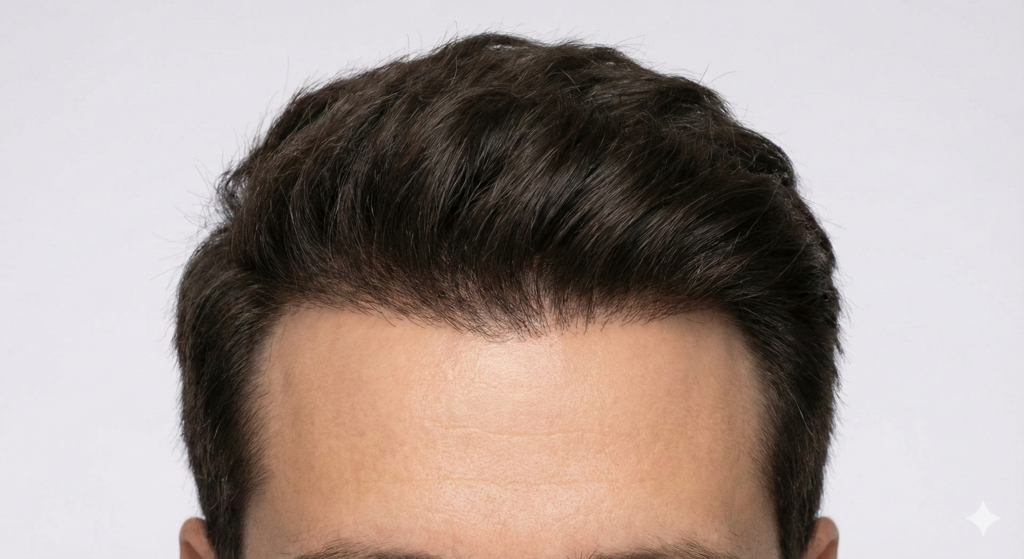
The key benefits of FUE are minimal invasiveness and rapid recovery. Since there are no large incisions, the healing process leaves behind only tiny, nearly invisible dots. This allows patients to wear their hair short post-procedure without worrying about a noticeable linear scar. FUE is known for providing maximum flexibility in hairline design and density packing, making it the choice for achieving that realistic, “woke-up-like-this” look. Due to its precision and scarless nature, FUE is increasingly considered the premier option.
FUT (Follicular Unit Transplantation): Still Relevant
Follicular Unit Transplantation, or FUT (sometimes called strip surgery), is the older, traditional method. It involves surgically removing a small strip of tissue from the donor area. Technicians then divide this strip into individual follicular units for transplantation.
While FUE is generally preferred, FUT is not entirely obsolete. It can be advantageous for patients who need a very large number of grafts in a single session, as it typically yields a higher graft count in less time. However, the trade-off is the linear scar left behind at the donor site, which means patients must commit to wearing their hair longer on the sides and back to conceal it. Your specialist should discuss the pros and cons of both methods based on your specific needs.
Understanding Hair Transplant Cost and Specialized Needs
One of the most immediate questions potential patients have is naturally about the logistics, especially the financial aspect. Determining the exact hair transplant cost is complex, as it is never a one-size-fits-all number. The price reflects not just the procedure itself, but the skill of the medical team, the technology used, and the sheer amount of work required.
Factors Affecting the Final Price Tag
The overall price of a hair restoration procedure is typically calculated based on the number of grafts needed. A small touch-up might require 500 grafts, while a full restoration could require 2,500 to 4,000 grafts or more.
The critical variables influencing cost include:
1. Graft Count: This is the biggest factor. More significant baldness requires more grafts, which means a higher total cost.
2. Technique Used: FUE, due to its meticulous, time-intensive nature, is often priced higher per graft than FUT. Robotic-assisted FUE can also carry a premium.
3. Surgeon’s Experience and Location: Highly experienced surgeons in major metropolitan areas often charge more. You are paying for proven expertise, which directly impacts the naturalness and success rate of your result.
4. Included Services: Packages often include post-operative care kits, follow-up visits, and sometimes supportive treatments like PRP (Platelet-Rich Plasma) therapy, which can affect the final price.
Remember, a cheap hair transplant often translates to rushed work, less experienced technicians, or outdated techniques. When dealing with something as permanent as your appearance, quality should always outweigh price.
Hair Transplant for Women: Unique Considerations
While hair loss is often stereotyped as a male issue, millions of women struggle with thinning hair. Fortunately, the technology that works for men is also highly effective for women, but the approach must be tailored. A hair transplant for women requires a specialist who understands the unique patterns of female hair loss, which often presents as diffuse thinning across the scalp rather than receding hairlines or a distinct bald spot.
The goal in female restoration is typically density enhancement and restoring volume across a wider area, often requiring meticulous integration with existing hair. Furthermore, surgical hair restoration is only suitable for certain types of female hair loss (like traction alopecia or a stable form of female pattern hair loss), making careful diagnosis by a dermatologist essential before the procedure. Finding a clinician with proven experience in female hair restoration is key to achieving successful, dense outcomes without overly impacting the existing hair structure.
What to Expect During Recovery
Recovery from a modern hair transplant, particularly FUE, is surprisingly manageable. While the initial few days require careful handling of the scalp, most patients can return to work within 3 to 7 days, depending on their comfort level. You will experience some redness, swelling, and scabbing in the transplanted area. These scabs generally fall off naturally within 7 to 10 days.
It is crucial to follow all post-operative instructions carefully, especially regarding washing the scalp and avoiding strenuous activity. The transplanted hairs will often shed between the second and fourth week—this is completely normal and expected. New growth will begin gradually, typically starting around month three, with the final, dense results visible between 10 and 12 months post-procedure.
The journey to hair restoration is highly personal, but the science behind the modern hair transplant offers compelling hope and remarkably natural results. By understanding the distinction between techniques like FUE and FUT, appreciating the variables that contribute to the final hair transplant cost, and ensuring you choose a clinic with specialized knowledge (especially if considering a hair transplant for women), you set yourself up for a successful outcome. Modern hair restoration is a permanent investment in your confidence and appearance, proving that today’s technology can truly restore not just your hair, but your self-image too.