
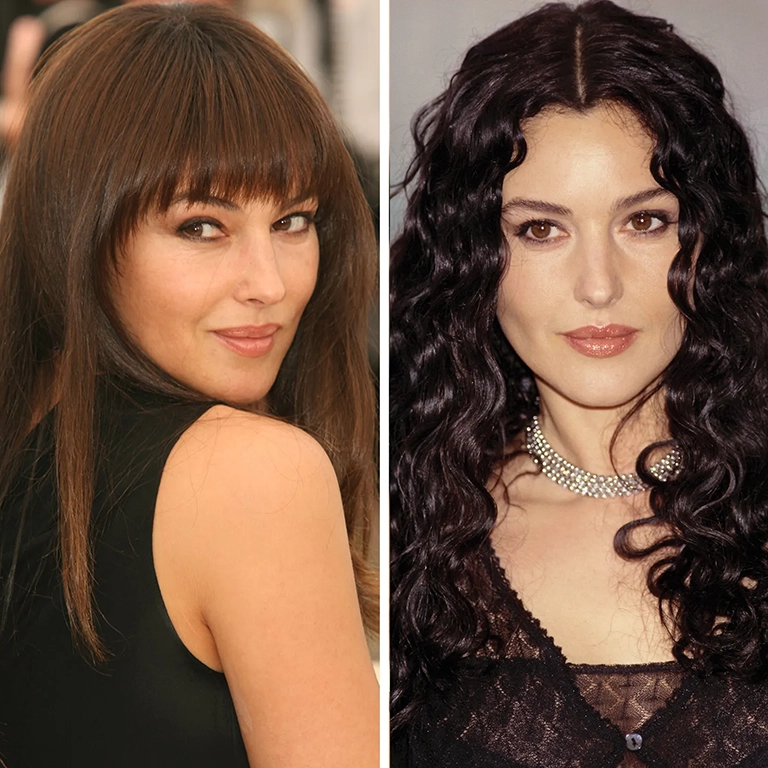
In an era dominated by temporary trends and fleeting fame, Monica Bellucci stands as an undisputed icon of timeless, classic beauty. Her name instantly conjures images of powerful elegance and a stunning defiance of age. As she gracefully navigates her 50s and 60s, the discussion around her enduringly smooth skin and defined jawline inevitably shifts to speculation about plastic surgery. The internet is flooded with searches asking the persistent question: Did Monica Bellucci have a facelift?
While the Italian superstar herself maintains privacy regarding her aesthetic choices, the speculation serves as a perfect entry point into a broader, more honest discussion about anti-aging methods. Whether her secret lies in excellent genetics, rigorous skincare, or strategic non-surgical treatments, the conversation around a potential Monica Bellucci facelift highlights the desire many people have to achieve a similar refreshed, yet natural, appearance.
The truth is, modern cosmetic technology has evolved significantly. Looking great later in life is no longer an exclusive secret held only by the elite. For many, seeking answers to the ‘Monica Bellucci mystery’ leads directly to exploring the reality and logistics of cosmetic rejuvenation options available today.
What Exactly Is a Facelift and Who Needs One?
When people talk about achieving a refined, age-defying look, they often use the term facelift generically. Scientifically known as rhytidectomy, this procedure is one of the most effective and durable ways to address the visible signs of aging in the face and neck. It is not about completely changing your appearance, but rather restoring a rested, youthful contour by targeting the underlying structures of the face.
A traditional facelift typically focuses on three primary areas that show age most dramatically: the mid-face (cheeks), the lower face (jowls), and the neck. Over time, gravity, sun exposure, and the natural loss of collagen and fat cause the skin to sag and muscles to loosen. The face lift procedure corrects this by tightening the deep muscle and tissue layer—known as the SMAS (superficial musculoaponeurotic system)—and then carefully redraping the skin for a smooth, natural result.
For individuals who are starting to notice a significant descent of the jowls, deep folds running from the nose to the mouth (nasolabial folds), or noticeable banding and loose skin on the neck, a facelift might be the recommended path. It is important to distinguish this surgical solution from non-surgical options like injectables (fillers or Botox), which are excellent for addressing volume loss and dynamic wrinkles but do not provide the foundational structural tightening that surgery offers.
There are also variations of the procedure designed to target specific needs, such as a mini-lift, which uses smaller incisions to address mild to moderate jowling and is often associated with quicker recovery times. Consulting with a board-certified plastic surgeon is essential to determine if you are a candidate for a facelift and which technique aligns best with your goals and natural aging process.
Understanding the Total Face Lift Cost
One of the most immediate practical considerations for anyone exploring facial rejuvenation is the financial investment. When investigating cosmetic options, whether inspired by the longevity of Monica Bellucci’s beauty or personal desire, the total face-lift cost is a crucial factor that requires transparency and careful planning. It is critical to understand that this is not a single fixed price, but rather a summation of several professional services and facility fees.
Surgeon Expertise vs. Price Tag
The surgeon’s fee is usually the largest component of the total cost. This fee reflects the surgeon’s experience, reputation, specialization, and geographic location. Generally, highly experienced, board-certified surgeons who specialize exclusively in facial plastic surgery will command higher fees. While it may be tempting to shop for the lowest price, it is often wise to view the surgeon’s fee as an investment in safety and superior aesthetic results. Quality results depend heavily on the surgeon’s skill in customizing the procedure to maintain a natural, unoperated look.
Geographic Variations in Cost
Where you have the procedure done significantly impacts the facelift cost. Procedures performed in major metropolitan areas with high costs of living (like New York City or Los Angeles) are typically much more expensive than those performed in smaller, regional markets. The facility fees—covering the operating room and necessary equipment—reflect the overhead of the surgical center in that specific locale.
The Components of the Final Cost
Beyond the surgeon’s fee, three other major cost components are unavoidable:
1. Anesthesia Fees: This covers the services of the anesthesiologist or nurse anesthetist. Their fee depends on the length of the surgery and their own professional qualifications.
2. Facility Fees: This is the charge for using the accredited surgical center or hospital operating room. Safety protocols and state-of-the-art equipment are included here.
3. Ancillary Costs: These include pre-operative lab work, post-operative medications, special compression garments, and follow-up care appointments. Sometimes, patients may also need to budget for recovery assistance, especially during the first week.
Because a facelift is almost always considered elective cosmetic surgery, health insurance typically does not cover any portion of the facelift cost. Patients must budget for the full out-of-pocket expense, which can range widely, often between $15,000 and $30,000 or more, depending on the complexity of the procedure (mini vs. full rhytidectomy) and the factors listed above.
While the enduring beauty of Monica Bellucci continues to inspire discussions about the feasibility of an undetectable Monica Bellucci facelift, the real takeaway is the power of intention and maintenance. Whether you are aiming for that timeless look through lifestyle choices, non-invasive maintenance, or the definitive results of a surgical facelift, responsible planning is key. Understanding the detailed reality of a facelift procedure and knowing the factors that determine the total facelift cost ensures that your journey toward aesthetic improvement is safe, realistic, and ultimately successful. Always prioritize consultation with an experienced, board-certified professional to create a personalized plan that honors your goals while maintaining the most natural version of you.