

The journey toward significant weight loss is deeply personal, often requiring serious consideration of surgical interventions. For many, the adjustable gastric band (often called a Lap-Band) seems like a promising, reversible, and less invasive option compared to other bariatric procedures. It’s understandable that before taking the plunge, one of the most pressing questions on your mind is the financial aspect.
If you’ve been scrolling through forums and doctor websites looking for a clear number, you’ve likely found frustratingly vague answers. The truth is, there isn’t one flat rate. The total gastric band cost is a massive variable influenced by location, the surgeon’s experience, and crucially, what services are bundled into the package. Because this is a major investment in your health and future, understanding the true expense—beyond just the surgical fee—is essential for planning.
Let’s dive into a breakdown of the typical expenses, explore the long-term commitments, and discuss why the cheapest option might not always be the best investment when considering this life-altering procedure.
What Factors Influence the Total Gastric Band Cost?
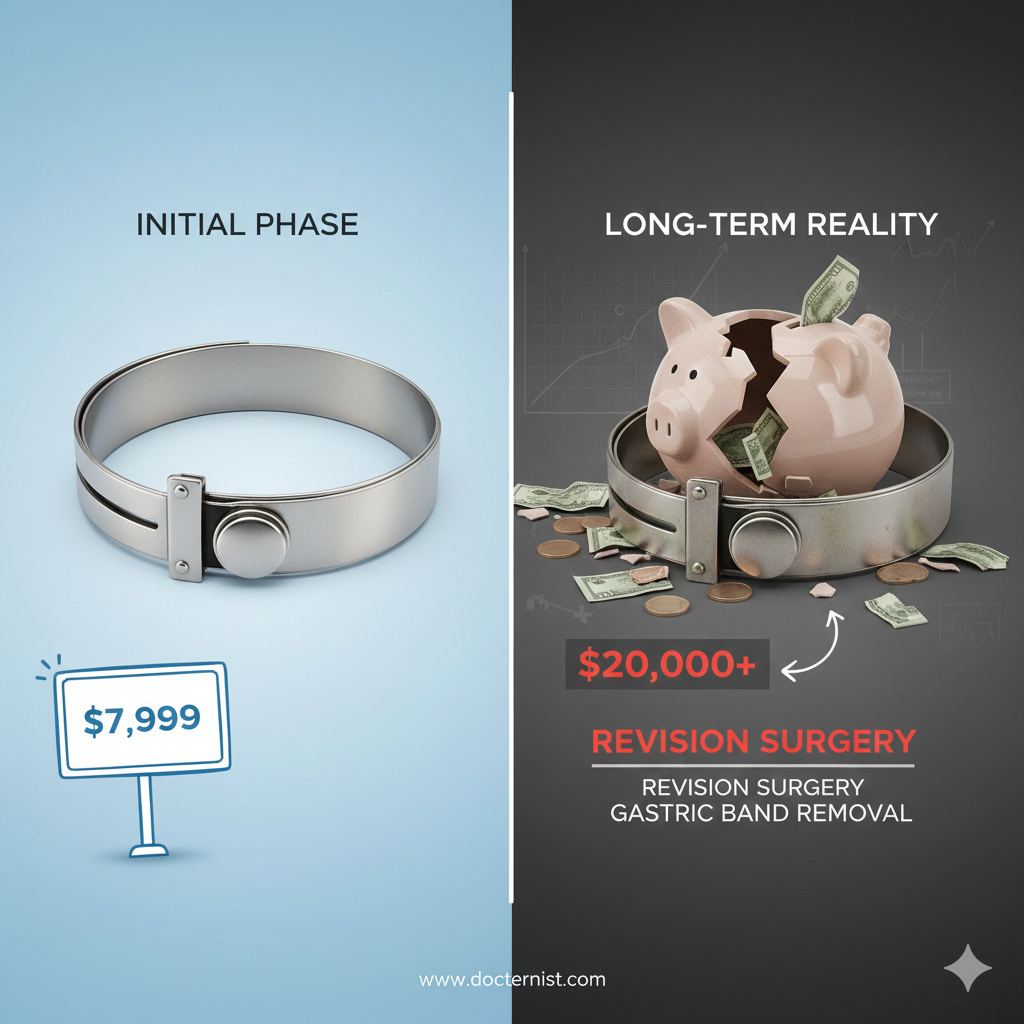
When reviewing price quotes from different clinics, it’s vital to understand the difference between the “sticker price” and the all-inclusive price. The average national cost for the gastric band operation typically falls between $9,000 and $18,000, but this figure can soar much higher when you account for necessary follow-up care and potential complications.
The procedure itself involves placing an inflatable silicone band around the upper part of the stomach, creating a small pouch. This restriction limits how much food you can eat, helping you feel full faster. While the procedure sounds simple, the pricing structure is anything but, factoring in multiple professional services.
Surgeon and Facility Fees
The largest chunk of the expense covers the actual operation. This includes the professional fee paid to the surgeon—which correlates directly with their level of expertise and success rate—and the facility costs.
Facility fees cover the operating room, surgical equipment, and typically, one night of hospital stay or the cost of the outpatient surgical center. If complications arise during surgery that require an extended stay, those costs quickly increase. Anesthesiologist fees are also separate and based on the length of time they are required for the procedure. Since this operation is typically performed laparoscopically (minimally invasive), the recovery time is shorter than traditional open surgery, which helps keep the immediate facility costs down compared to more complex bariatric procedures.
The Essential Hidden Costs: Follow-up Care
The gastric band is not a “set it and forget it” procedure. Unlike a gastric sleeve, the band requires frequent adjustments, or “fills,” to ensure proper restriction and optimal weight loss. These fills involve injecting saline solution into the port beneath the skin to tighten the band.
A reputable bariatric program will bundle the first year of these adjustments, nutritional counseling, and psychological support into the initial price. If a clinic quotes a very low surgical price, check immediately to see if they charge per fill. Fills can cost several hundred dollars each, and you might require multiple adjustments in the first year alone. The ongoing commitment to post-operative care, including dietary coaching and psychological support, is crucial for long-term success and must be factored into the overall gastric band cost.
Geographic Location and Insurance Coverage
Where you live plays a huge role. Procedures performed in major metropolitan areas with high costs of living (like New York or Los Angeles) are significantly more expensive than those in smaller regional centers. Furthermore, insurance coverage is highly inconsistent. Some policies cover bariatric surgery if medically necessary (typically defined by a high Body Mass Index, or BMI, and documentation of attempts at supervised weight loss), while others strictly exclude it. If your insurance covers the procedure, your out-of-pocket expense will be limited to your deductible, copays, and coinsurance—making the operation dramatically cheaper. If coverage is denied, you will be responsible for the full self-pay price.
Considering an Operation to Lose Weight? Comparing Options
The gastric band is just one of several effective pathways available if you are seeking an operation to lose weight. While the band is often seen as less radical because it doesn’t involve permanent alteration of the digestive tract, it is important to compare its effectiveness and commitment requirements against alternatives like the Gastric Sleeve (Sleeve Gastrectomy) and Gastric Bypass.
The sleeve and bypass procedures generally boast higher long-term average weight loss percentages than the band, but they are irreversible. The decision hinges on your health profile, weight loss goals, and tolerance for surgical risk. Since the gastric band cost is often lower initially than the sleeve or bypass, some people choose it for budget reasons. However, if the band fails to produce adequate results or causes issues, the eventual need for revision surgery must be considered, which adds significantly to the lifetime cost.
Planning for the Future: What About Gastric Band Removal?
One of the band’s initial appeals is its reversibility. However, the reality is that many patients eventually require gastric band removal or revision surgery due to complications, insufficient weight loss, or intolerance. This factor is critical to budgeting for the procedure’s entire lifecycle.
Why Removal Might Be Necessary
While the band is designed to be a permanent device, statistics show that a significant percentage of bands are removed within 10 to 15 years. Reasons for removal include:
Erosion: The band slowly migrating into the stomach wall.
Slippage: The band shifting position, which can cause severe reflux and blockages.
Pouch Enlargement: The small pouch above the band stretching out, making the procedure ineffective.
Poor Weight Loss: Failure to achieve or maintain target weight loss.
The Cost of Revision Surgery
If you require gastric band removal and conversion to another procedure (like a sleeve or bypass), you are effectively paying for a second, often more complex, operation. The cost of removal surgery alone typically ranges from $5,000 to $10,000, depending on the complexity of scar tissue and erosion. If the removal is followed immediately by a revisional surgery, the combined price often approaches, or even exceeds, the initial cost of the primary bariatric procedure. This makes the long-term financial commitment potentially much higher than anticipated.
Investing in an operation to lose weight is one of the most important decisions you will ever make. While the initial sticker price of the gastric band may seem attractive compared to other surgeries, the true gastric band cost is defined by the quality of the surgical team, the comprehensiveness of the aftercare package, and the potential need for future adjustment or removal procedures. Do not base your decision solely on the lowest quote. Prioritize programs that offer extensive long-term follow-up and dietary support, ensuring your investment leads to sustainable health and lasting weight loss. Always seek multiple consultations with experienced, board-certified bariatric surgeons to receive a transparent, all-inclusive pricing plan.